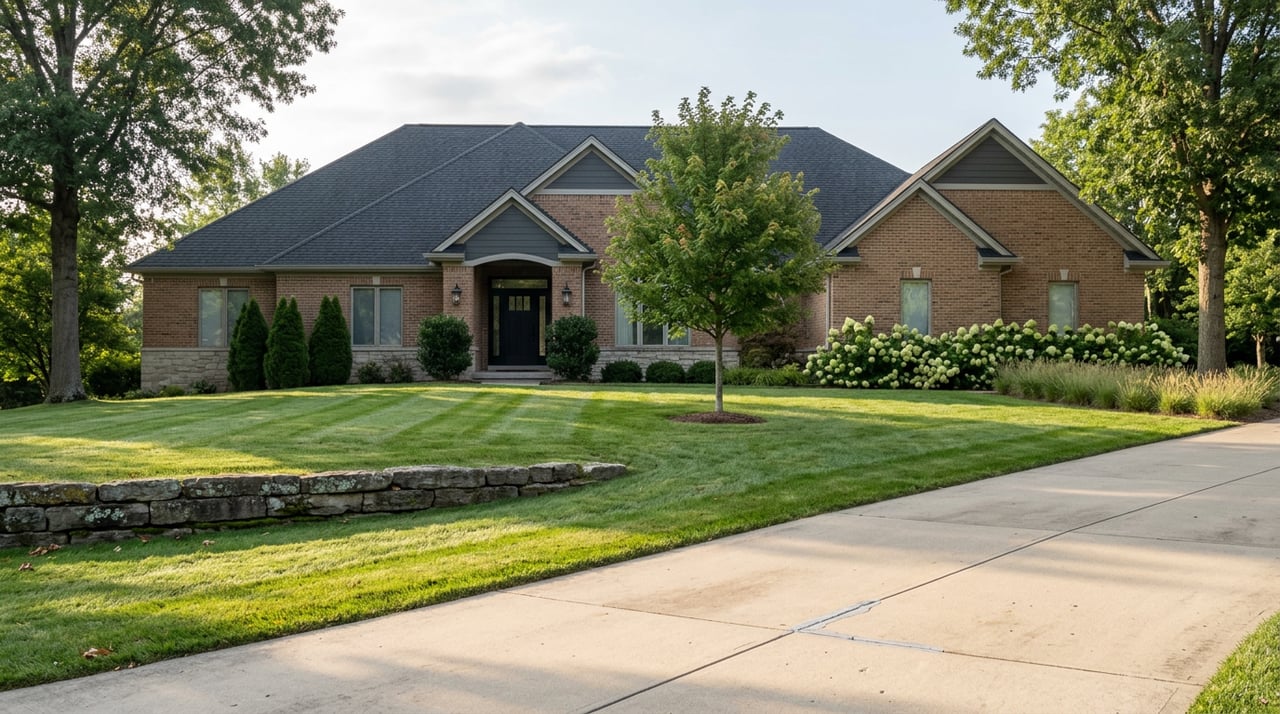
Bridgetown's Lower Price Tag Is Making It Harder To Buy There, Not Easier
September 3, 2026
September 3, 2026
If you've been comparing west-side Cincinnati neighborhoods by median price alone, Bridgetown probably looked like the easy option. It sits below the metro median, its housing stock is modest by design, and nothing about the name suggests urgency. That read is backwards. The numbers from this spring show a market that is tightening faster than Cincinnati as a whole, even as its price tag stays comparatively low. The two facts are not in tension. They are the same story.
Cincinnati's broader market has been cooling this year in the way most metros cool: prices still climbing, but buyers taking longer to commit. Over the three months ending June 2026, the metro's median sale price reached $296,000, up 5.7% year over year, with homes taking an average of 48 days to sell, a stretch from the 43 days it took the year before.
Bridgetown moved in the opposite direction. The most recent neighborhood-level numbers, covering March 2026, put the median sale price at $272,000, a gain of 14.8% year over year, nearly triple the metro's growth rate. Homes there sold in 31 days on average, down from 35 the year before. Where the rest of the city slowed down, Bridgetown sped up.
| Metric | Bridgetown (March 2026) | Cincinnati metro (3 months ending June 2026) |
|---|---|---|
| Median sale price | $272,000 | $296,000 |
| Year-over-year price growth | +14.8% | +5.7% |
| Days on market | 31 (down from 35) | 48 (up from 43) |
| Redfin Compete Score | 72 of 100, "very competitive" | 59 of 100, "somewhat competitive" |
| Price per square foot | $180, +2.9% YoY | $184, +2.2% YoY |
Sales volume tells the same story from a different angle. Bridgetown recorded 22 home sales in March 2026, up from 12 the year before, nearly double the activity in a neighborhood that isn't adding new lots. When a market posts a lower price but a higher growth rate, faster turnover, and almost twice the transaction count, the affordability isn't a discount. It's the reason buyers are showing up.
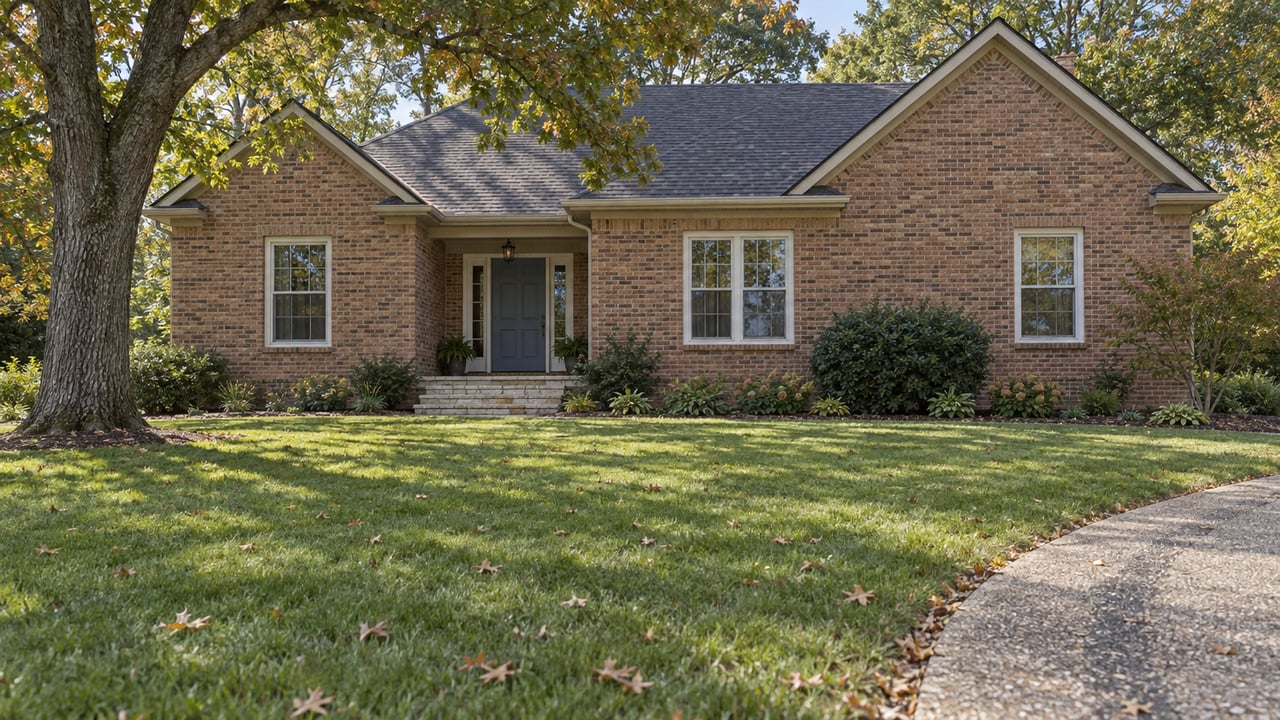
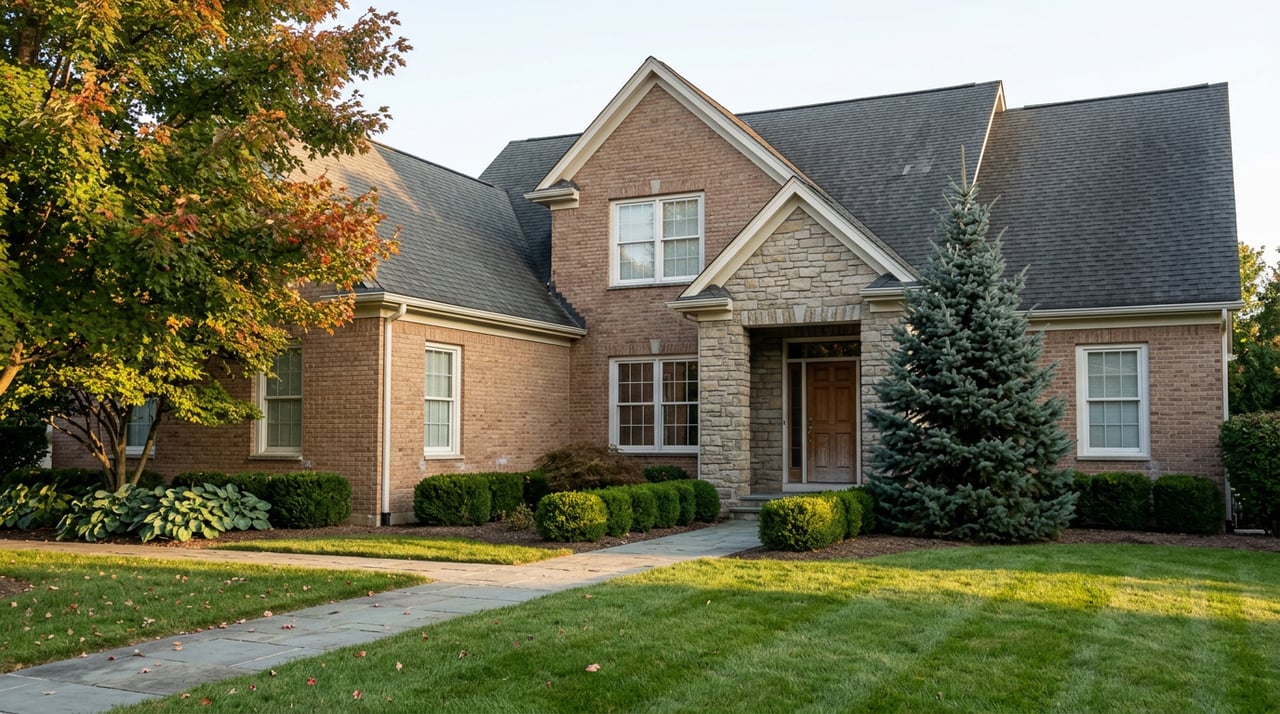
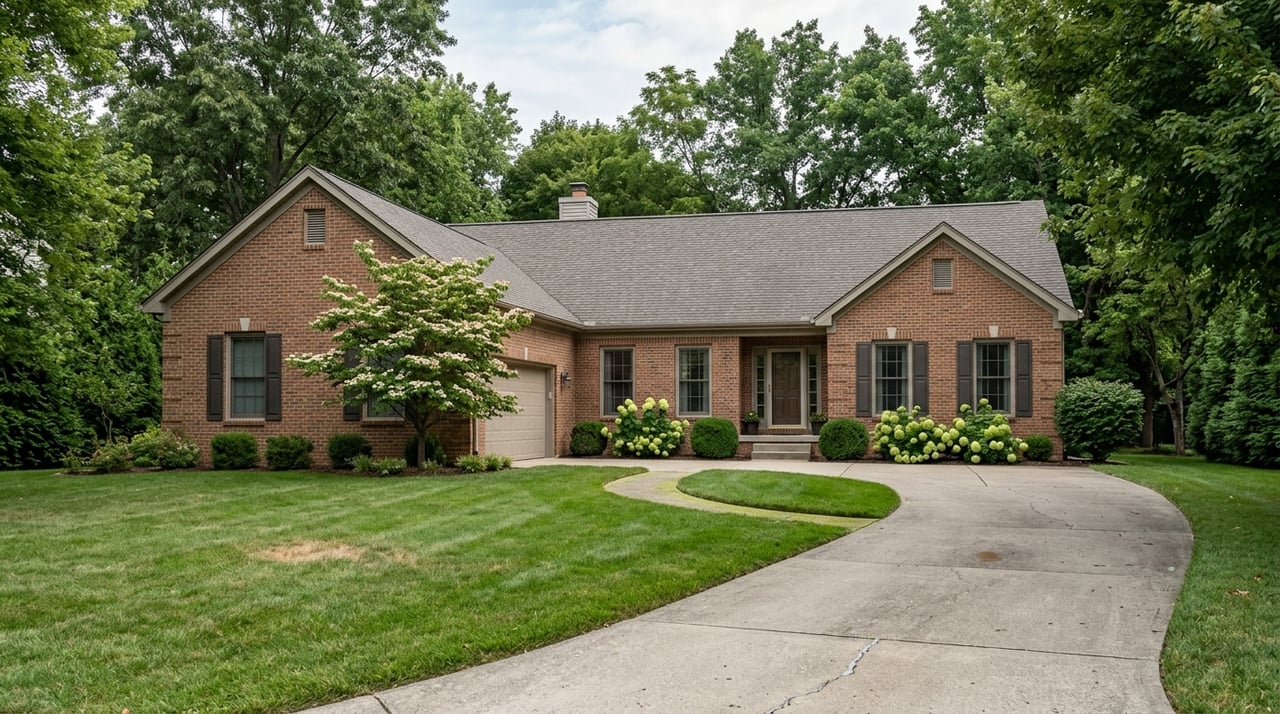
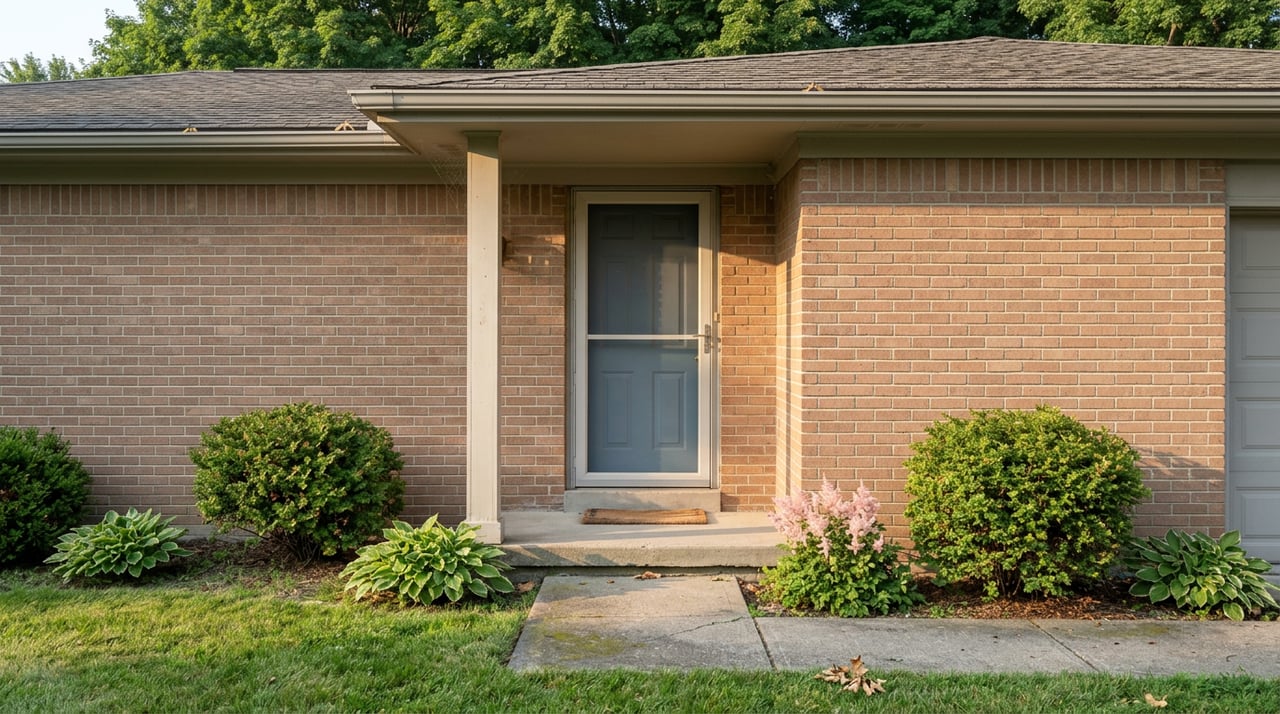
Bridgetown's housing stock is largely midcentury: Cape Cods, ranch styles, brick cottages, and Tudor Revivals, many dating to the 1950s and '60s. That kind of inventory has a natural ceiling. Builders aren't producing more of it, and the supply that exists turns over slowly because these are the homes people tend to hold onto. First-time buyers who've been priced out of pricier close-in neighborhoods are discovering that Bridgetown's entry point still works with their budget, and they're competing for the same modest, well-kept homes at the same time.
Move-up buyers are pulling from a different direction. New construction has continued in Green Township, the broader municipality that contains Bridgetown, where M/I Homes has been building on Ohio Trail with floorplans like the Morrison, the Hampton, and the Symmes, ranging from roughly 2,500 to nearly 3,000 square feet. These are larger footprints than the existing housing stock typically offers, and they give move-up buyers a reason to stay in the same school boundaries and the same commute radius rather than pushing further out to find more space.
Put those two pools together and you get a small, static supply of resale homes absorbing demand from buyers who used to look elsewhere, plus a new construction pipeline pulling in buyers who might otherwise have left the area entirely. Neither pool is especially large on its own. Together, they explain why days on market fell while the number of homes sold nearly doubled.
The area's schools reinforce why buyers are willing to compete for it. Bridgetown falls within the Oak Hills Local School District, with Oakdale Elementary School and Bridgetown Middle School serving the neighborhood, and St. Ignatius of Loyola School offering a private option. Families weighing a move-up purchase tend to value that kind of continuity, and a stable district gives them one more reason to stay put and bid rather than restart their search somewhere unfamiliar.
None of this happens in a vacuum. Daily life in Bridgetown still runs through the same small businesses it always has: Ideal Baseball Cards, Cancun Restaurant and Cantina, and Nick & Tom's Restaurant & Bar anchor the retail strip, while residents use the Green Township Bike and Walk Trail, Woodland Golf Course, and Western Bowl for recreation. None of that changed this year. What changed is who's competing to live near it.
If Bridgetown is on your shortlist because the median looked manageable, budget for a different kind of process than the price alone suggests.
Is Bridgetown still cheaper than the rest of Cincinnati? Yes, on the headline number. The March 2026 median of $272,000 sits below the metro's $296,000 median for the three months ending June 2026. The gap is real, but it's shrinking faster than the metro's own price growth, which is exactly what's drawing more buyers in.
Should I consider new construction instead of an older Bridgetown home? It depends on what you're solving for. The existing housing stock offers character and established lots but a shrinking, contested supply. The M/I Homes floorplans on Ohio Trail offer more square footage and a defined process, but you're waiting on construction rather than negotiating on an existing sale.
What does a falling days-on-market number actually mean for my offer strategy? It means the comfortable weeks you might spend deciding in a slower market aren't available here. A property that sits for even a week past the 31-day average is unusual enough to warrant asking why, and a property priced right typically won't sit that long at all.
Numbers like these change month to month, and the mechanism behind them, two different buyer pools converging on one small market, can shift just as fast if new inventory opens up or a build timeline slips. If you're weighing Bridgetown against another west-side neighborhood, or trying to figure out whether a resale ranch or a new M/I Homes build fits your timeline better, Michele Donovan Real Estate Group can walk through what's actually available right now, not just what the median suggests. Find Your Match — Start Here.

Whether you’re buying your first home, upgrading to fit a growing family, or downsizing for a new chapter, we’re here to guide you with the care and expertise you deserve.
MICHELE DONOVAN GROUP
6730 Ruwes Oak Dr Cincinnati, OH 45248