Thinking about selling your North Bend home but not sure when to list? Timing can shape your sale price, days on market, and stress level. You want a plan that fits real local patterns, not guesses. In this guide, you’ll learn the best listing windows for North Bend, which Hamilton County metrics to watch, and a practical prep timeline so you can launch with confidence. Let’s dive in.
Why timing matters in North Bend
Most buyers in the Cincinnati metro start shopping in spring. That typically means more showings, stronger offers, and faster sales from March through June. A smaller, second wave often appears in early fall as buyers aim to close before year-end. Winter months usually bring slower traffic and longer timelines.
North Bend follows these regional patterns, but it is a small village with fewer monthly sales. That means a single sale can skew the data. Multi-year averages are more reliable than one-month snapshots. Property type and price also matter, since entry-level homes, historic homes, and unique riverfront properties can follow different rhythms.
The best months to list
If you are aiming for the widest buyer pool and stronger price leverage, target late March through mid-May. This window typically aligns with peak spring demand and gives buyers time to close before summer. A secondary window often appears in September and October.
Winter, especially November through January, usually has fewer active buyers. While you may face less competition, expect longer days on market in many years. Before you finalize, confirm your exact timing with 3 to 5 years of Hamilton County monthly data and a rolling 3-month view for North Bend to reduce noise.
What could shift this window
- Interest rates: Rising rates can cool demand in every season, even in spring.
- Inventory: Very low inventory can improve results outside peak months. A spring surge in competing listings can reduce leverage.
- Property specifics: Higher-priced, historic, or unique homes may benefit from a longer runway and targeted marketing, not just seasonal timing.
- Local dynamics: School calendars and community events can affect open-house traffic and showing patterns.
Confirm your timing with local data
You can validate the best window for your home with a simple, data-minded check. Focus on Hamilton County data and a rolling 3-month view for North Bend.
Metrics to pull for 3 to 5 years
- Sale-to-list price ratio (final sale price divided by final list price)
- Median days on market (DOM) and time to contract
- New listings and closed sales by month
- Active inventory and months of supply
- Median sale price and list price
Break out by property type and price band when possible. Compare the same months across multiple years to see seasonality clearly.
How to spot your peak months
- Compute multi-year monthly averages for sale-to-list ratio and DOM. Look for contiguous months where sale-to-list is above the yearly median and DOM is below it.
- Use rolling 3-month windows for North Bend to reduce volatility from low monthly counts.
- Flag a secondary window if you see the next-best combo of stronger sale-to-list results and shorter DOM, often in September and October.
- Cross-check with on-the-ground inputs such as recent open-house traffic and buyer inquiries.
Quick interpretation guide
- Sale-to-list ratio:
- Above 100% indicates strong seller conditions.
- 98% to 100% suggests neutral to modest seller leverage.
- Below 98% points to buyer pressure.
- Days on market: Lower DOM in your target months indicates faster absorption.
- Months of inventory:
- Under 3 months suggests a seller’s market.
- 3 to 6 months indicates balance.
- Over 6 months suggests a buyer’s market.
Prep timeline to hit spring
If you plan to list between late March and mid-May, use this timeline to be market-ready. Adjust durations based on your project scope and contractor availability.
3 to 6 months before listing
- Financial and strategic planning:
- Gather mortgage info, recent tax bills, and HOA documents if applicable.
- Request a comparative market analysis from a local agent.
- Outline your price range, net proceeds goals, and timing preferences.
- Major repairs and estimates:
- Order inspections as needed to identify big-ticket items such as roof, HVAC, or sewer.
- Collect contractor bids and reserve dates. Scheduling can take 3 to 8 weeks.
- Permits and paperwork:
- Start early if your updates require permits, since processing can add time.
6 to 12 weeks before listing
- Cosmetic updates with strong ROI:
- Fresh interior paint in neutral tones.
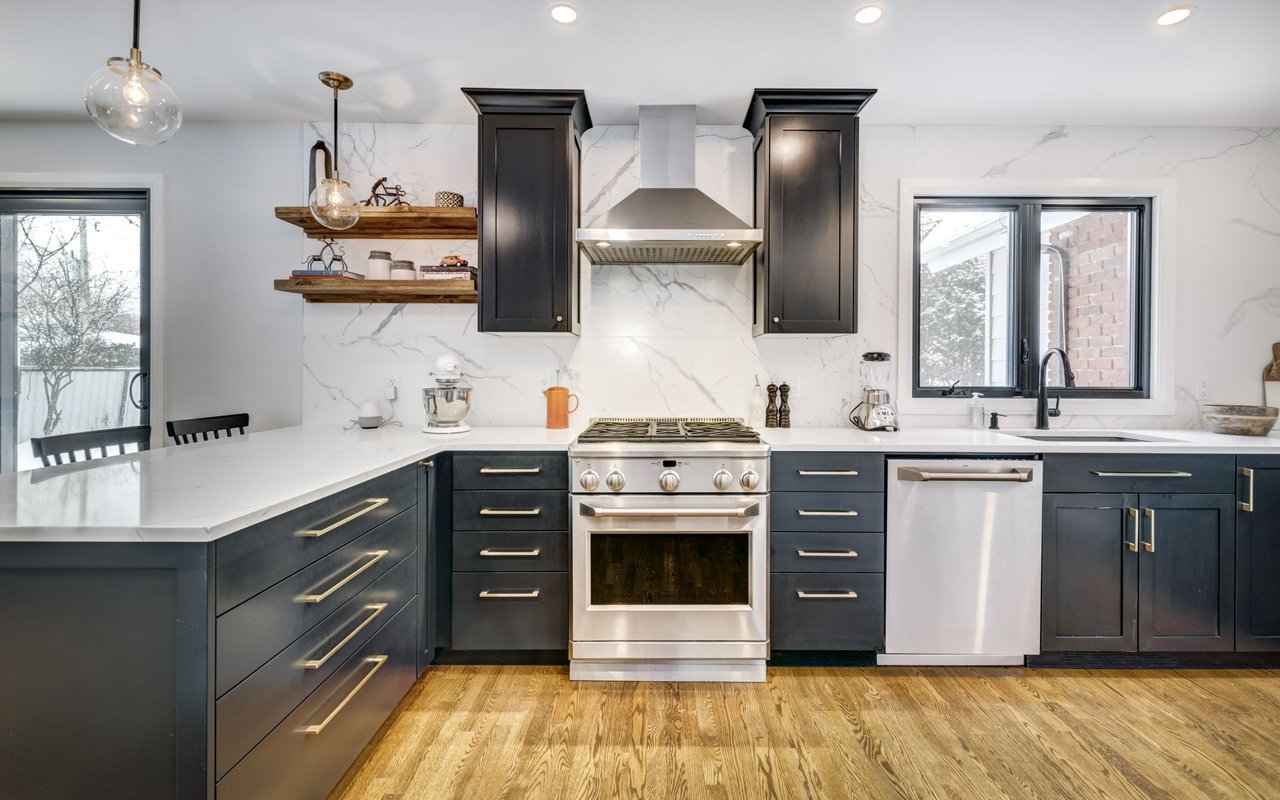
- Lighting, hardware, and minor kitchen or bath refreshes.
- Flooring repairs or refinishing where it counts.
- Declutter and depersonalize:
- Sort and store non-essentials. Consider a portable storage unit if needed.
- Staging plan:
- Decide on full, partial, or virtual staging and lock in dates.
- Optional pre-listing inspection:
- Use it to reduce surprises and speed negotiations in competitive windows.
2 to 6 weeks before listing
- Deep cleaning and touch-ups:
- Schedule professional cleaning and carpet cleaning.
- Landscaping and curb appeal:
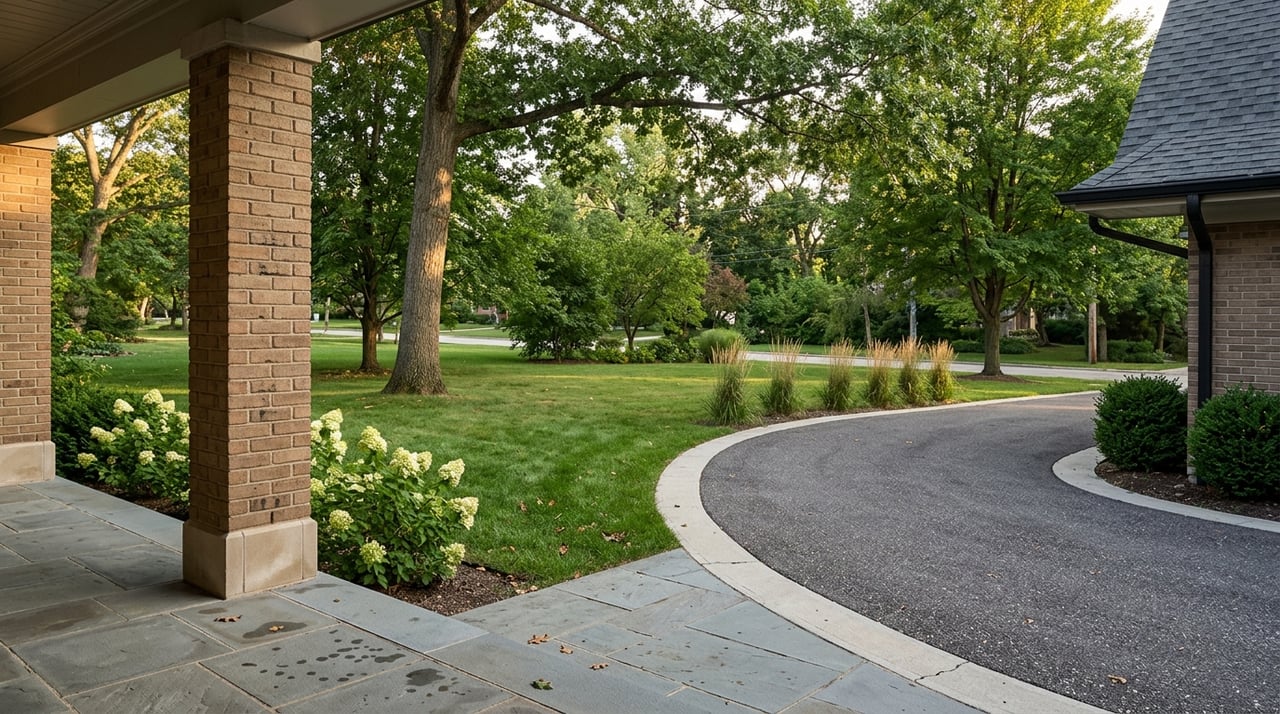
- Early spring mulch, pruning, and lawn prep. Choose plants that establish quickly.
- Photography and video:
- Book a professional photographer to capture the home at peak curb appeal.
- Paperwork and disclosures:
- Complete property disclosures and gather utility information.
One week before and launch day
- Final staging and cleaning:
- Remove personal items and valuables.
- Price and marketing check:
- Review final pricing strategy and marketing plan with your agent.
- Go live:
- Publish to the MLS with professional photos. Schedule your first open house for the first weekend if the market supports it.
If you list outside the spring peak
- Fall window, September to October:
- Use the same prep plan and time photos to show off autumn curb appeal. Consider slightly more competitive pricing if buyer traffic is lighter.
- Winter launch:
- Only if necessary. Emphasize price competitiveness and consider a pre-listing inspection to build buyer confidence.
Pricing and presentation in a small market
North Bend’s smaller sample size means precision matters. Anchor your price to recent Hamilton County data and nearby comparable sales, then adjust for North Bend specifics. Keep your pricing within a defensible range and let showing feedback guide fine-tuning during week one.
Professional presentation helps you capture peak-season momentum. Focus on a clean, bright look, balanced staging, and clear visuals that highlight your home’s strengths. Strong first impressions can lift your sale-to-list ratio and shorten time to contract, especially in spring.
Strategy for unique or higher-priced homes
If your property is historic, river-adjacent, or in a higher price band, your buyer pool may be more targeted. Plan a longer runway for pre-market prep and outreach. Use professional staging, high-quality photography and video, and a pricing strategy that reflects both scarcity and current demand.
Aim to list early in the spring cycle to maximize exposure over more weeks of active shopping. If your ideal buyer needs to coordinate a complex purchase, build flexibility into your closing timeline and consider pre-inspections to streamline negotiations.
Next steps for North Bend sellers
- Pull 3 to 5 years of Hamilton County monthly data and compute multi-year averages for sale-to-list ratio and DOM. Use rolling 3-month views for North Bend.
- Request two to three CMAs with a month-by-month view from experienced local agents.
- If you plan to list in spring, secure contractor schedules and staging dates now.
- If you are unsure about timing after reviewing the data, schedule a market-timing review about 8 to 10 weeks before your target listing date.
If you want a calm, design-forward plan tailored to your home and timing goals, reach out to Michele Donovan. We will help you confirm the right listing window, prepare a polished presentation, and launch with a clear pricing and marketing strategy.
FAQs
What is the best time to sell a home in North Bend?
- The practical window is late March through mid-May, with a secondary window in September and October. Confirm with 3 to 5 years of Hamilton County data and a rolling 3-month view for North Bend.
How long will my home take to sell in spring?
- Days on market typically runs lower in spring than in winter in the Cincinnati metro. Validate with recent Hamilton County month-by-month data for your price range and property type.
Should I list my North Bend home in winter?
- You can, but buyer traffic is often lighter from November through January. If you must list, price competitively and consider a pre-listing inspection to build confidence and speed negotiations.
How do mortgage rates affect the best time to sell in Hamilton County?
- Rising rates can reduce buyer demand even in peak months. Watch inventory levels and consider pricing strategy and potential incentives with your agent if rates move up.
Do unique or river-adjacent homes follow the same seasonal pattern?
- Not always. Distinctive or higher-priced homes can require a longer timeline and targeted marketing. Focus on early spring exposure, standout presentation, and flexible timing based on buyer needs.