Moving to Cleves Ohio: What New Residents Need to Know
January 1, 2026
January 1, 2026
Thinking about moving to Cleves on Cincinnati’s west side? You might be looking for small-village calm with practical access to jobs, parks, and daily conveniences. This guide gives you a clear view of commutes, amenities, housing, and the smart checks to make before you buy. Let’s dive in.
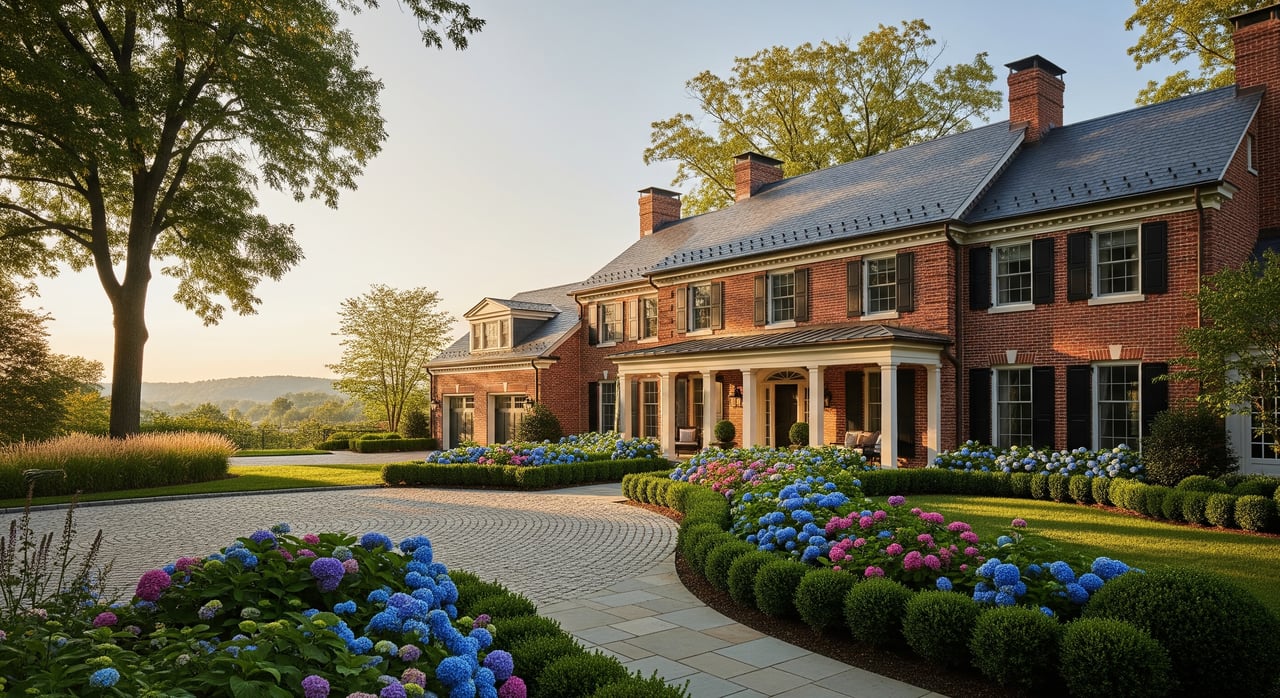
Cleves is a village in Miami Township, Hamilton County, on the western edge of the Cincinnati metro. It operates with village-level services and administration. You get a small-community feel at a scale of a few thousand residents.
Many residents commute to jobs across Hamilton County and the broader metro. The village functions as a lower-density residential area on the region’s west and northwest fringe, which can be a draw if you value space and quieter streets.
Public schools are served by the Three Rivers Local School District. Always confirm current boundary maps and school assignments for your exact address on the district website.
Local and state routes connect Cleves to the rest of Hamilton County and into Cincinnati. Regional connectors and access to the beltway, including I-275, help with cross-town and interstate travel. For planning, expect roughly 25 to 40 minutes by car to downtown Cincinnati in normal traffic, with longer times during rush hour. Many west-side and nearby employment centers are about 10 to 25 minutes, depending on your exact route and time of day.
Commute times can vary widely with congestion. It is best to test your drive from the specific property at the hours you plan to travel.
Fixed-route public transit into small west-side villages is often limited. Most residents rely on personal vehicles. Cincinnati’s transit system is operated by SORTA (Metro), so check current route maps and schedules to see if a stop near your address is practical. Some commuters use park-and-ride options or regional hubs when available. Biking to work will depend on your route and comfort level since continuous bike lanes may not be present on all streets.
You will find small grocery and convenience options in or near the village center. For full-service supermarkets, big-box retail, and specialty shops, plan on short drives to nearby towns and west-side corridors. Map your typical errands from the specific address to confirm drive times.
Major hospital systems serving Hamilton County are within a reasonable drive. Identify the nearest urgent care and hospital from your address, and note typical travel times. Municipal or township emergency services cover the village. It is smart to confirm response zones and the nearest fire or EMS station for your block.
Banks, credit unions, and postal services are typically available in or near Cleves. For utilities, large investor-owned electric providers such as Duke Energy commonly serve Hamilton County, but always verify by address. Water and sewer are often provided by the village or a local authority. Trash and recycling may be municipal or contracted; check pickup schedules and any associated fees.
The west side benefits from the Great Parks of Hamilton County system, with large destinations like Miami Whitewater Forest and Winton Woods within a drive. Cleves and neighboring villages typically maintain local parks, playgrounds, and sports fields, which are helpful for everyday outdoor time. Regional riverfront trails and greenways are accessible by a short drive, depending on your route.
County and local recreation groups offer youth sports, adult leagues, nature programs, and seasonal events. If programming is important to you, check current schedules and registration windows before peak seasons.
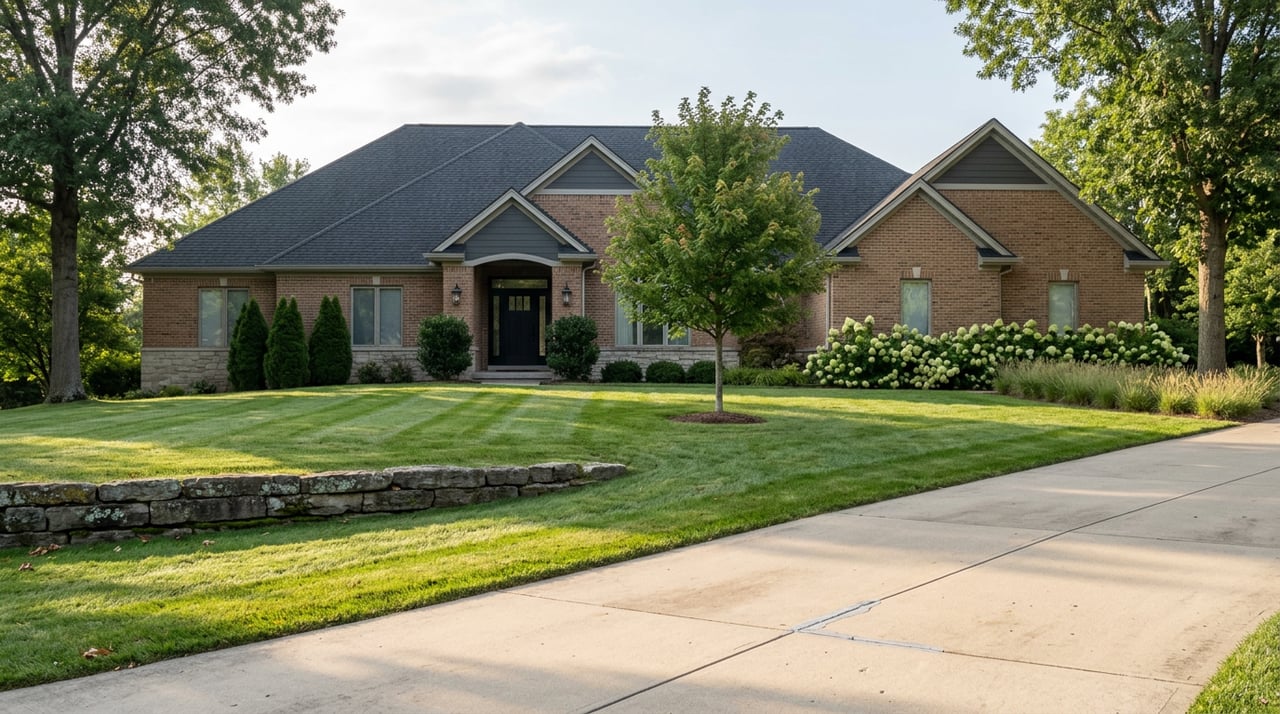
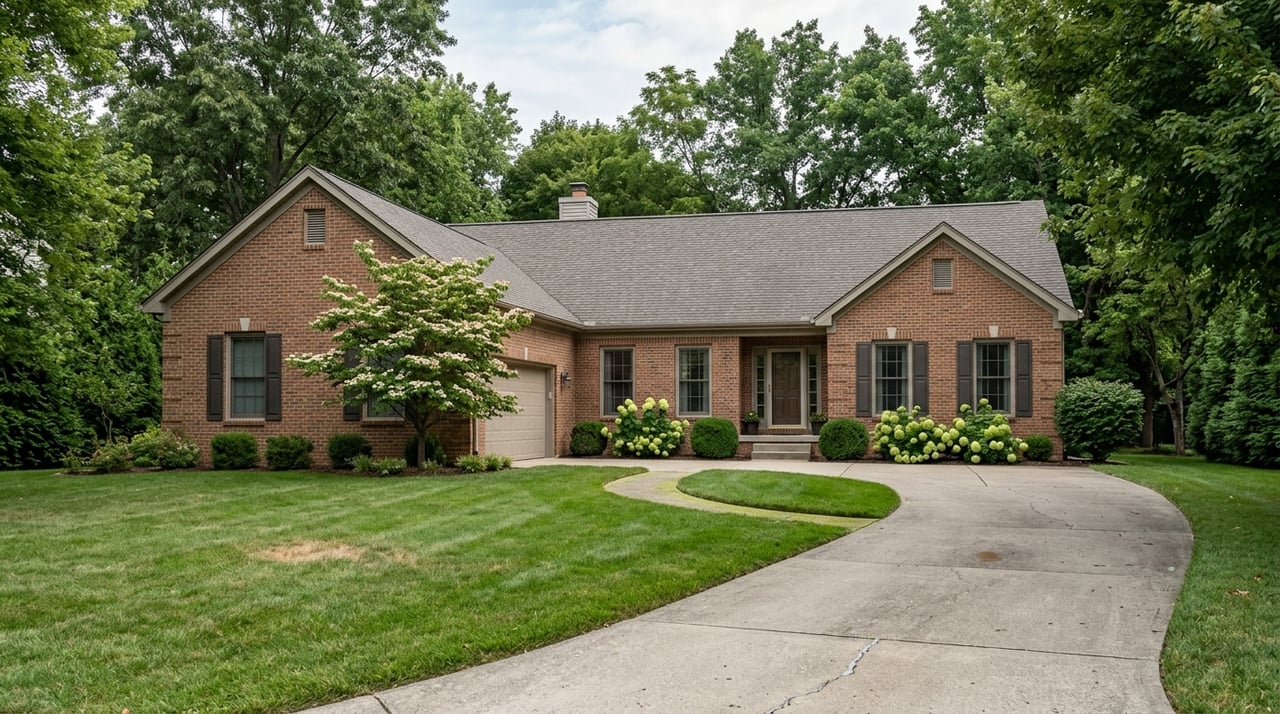
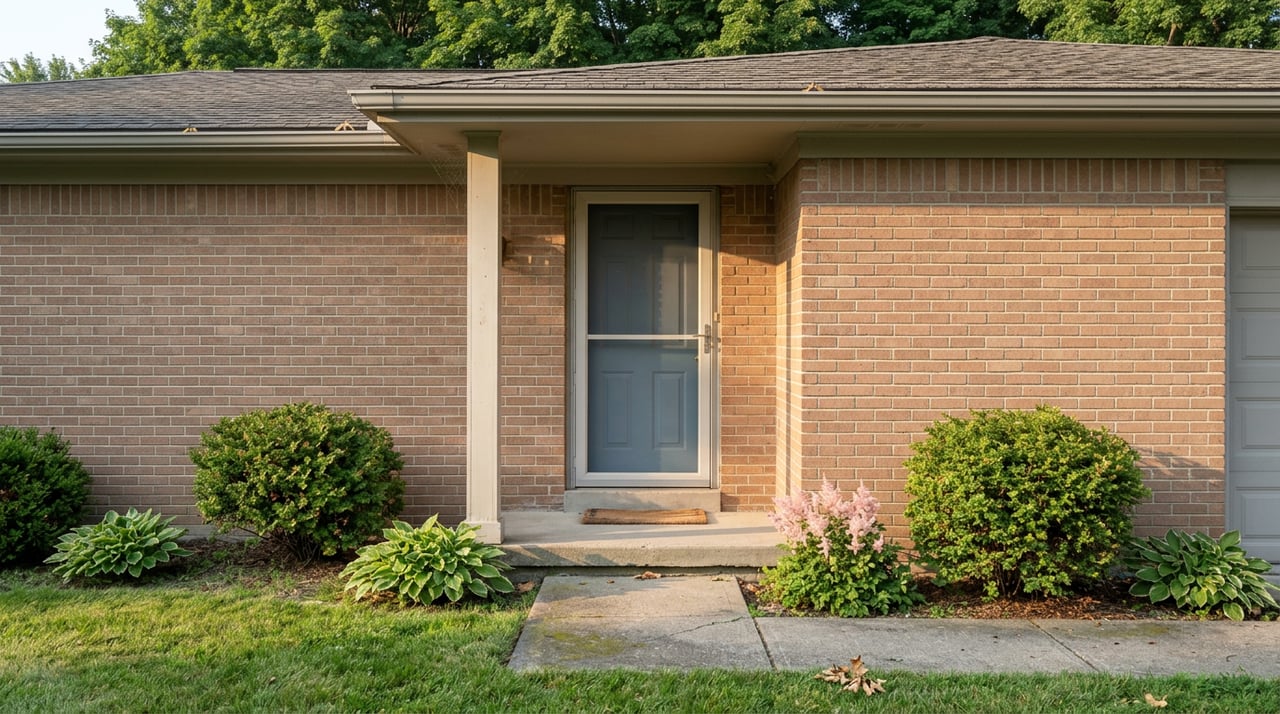
Expect a predominance of single-family detached homes, including ranches, bungalows, and mid-century houses. You will also see some duplexes or small multifamily buildings. Many homes date from the early to mid-20th century through post-war development. Newer construction exists, but it is less common than in larger suburbs.
Lot sizes are often moderate compared with inner-city properties. Homes near open land can offer larger lots, so compare yard size and setbacks if outdoor space is a priority.
West-side fringe villages have historically trended more affordable than some inner suburbs, but prices shift with market conditions. For a current snapshot, review recent sales through the local MLS and county records, and then have your agent pull comps for the specific home type you want. Owner-occupied homes are common, with rentals present but less prevalent than in denser urban areas.
Property tax rates are set at the county and local levels, and effective tax burden will vary by property. Use Hamilton County Auditor and Treasurer tools for property-specific estimates. If a home is near a river or in a low-lying area, flood insurance may be required. Check FEMA Flood Insurance Rate Maps for flood zone designations and elevation requirements. Utility rates and municipal fees can vary, so confirm water, sewer, and trash costs along with any septic details if applicable.
Use this list to stress test a specific Cleves address before you write an offer:
Finding the right fit in a small village comes down to details. We match your goals with the right streets, home style, and daily rhythms, then guide you through clear comparisons on commute, costs, and condition. Our team pairs local west-side fluency with calm, responsive service so you can move with confidence.
If you want a step-by-step plan for buying in Cleves, we are here to help. Reach out to Michele Donovan to start with a neighborhood fit session and a tailored home search.

Whether you’re buying your first home, upgrading to fit a growing family, or downsizing for a new chapter, we’re here to guide you with the care and expertise you deserve.
MICHELE DONOVAN GROUP
6730 Ruwes Oak Dr Cincinnati, OH 45248