Thinking about buying or selling in Cobblechase but unsure how the Colerain and Hamilton County market is moving right now? You are not alone. When inventory shifts or mortgage rates change, it can be hard to tell what is signal and what is noise. In this snapshot, you will learn the key metrics that matter, how to read them for Cobblechase, and what they mean for you as a buyer or seller. Let’s dive in.
Updated: December 2025. Data guidance based on local MLS, Hamilton County Auditor, and Recorder resources.
How to read Hamilton County trends locally
County and metro trends set the backdrop, but your decision happens at the neighborhood level. Cobblechase is a smaller subdivision inside Colerain Township, which means monthly numbers can swing when only a few homes sell. To keep things useful, compare Cobblechase to Colerain Township and Hamilton County side by side, and lean on 3 to 12 month windows rather than a single month.
When the sample size is small, the most reliable reads come from direction and thresholds. If months of supply is under 3 in both Cobblechase and the township, it signals a seller’s market. If list-to-sale ratios are near or above 99 percent and days on market are low, buyers should plan to act quickly and make strong, clean offers.
Cobblechase at a glance
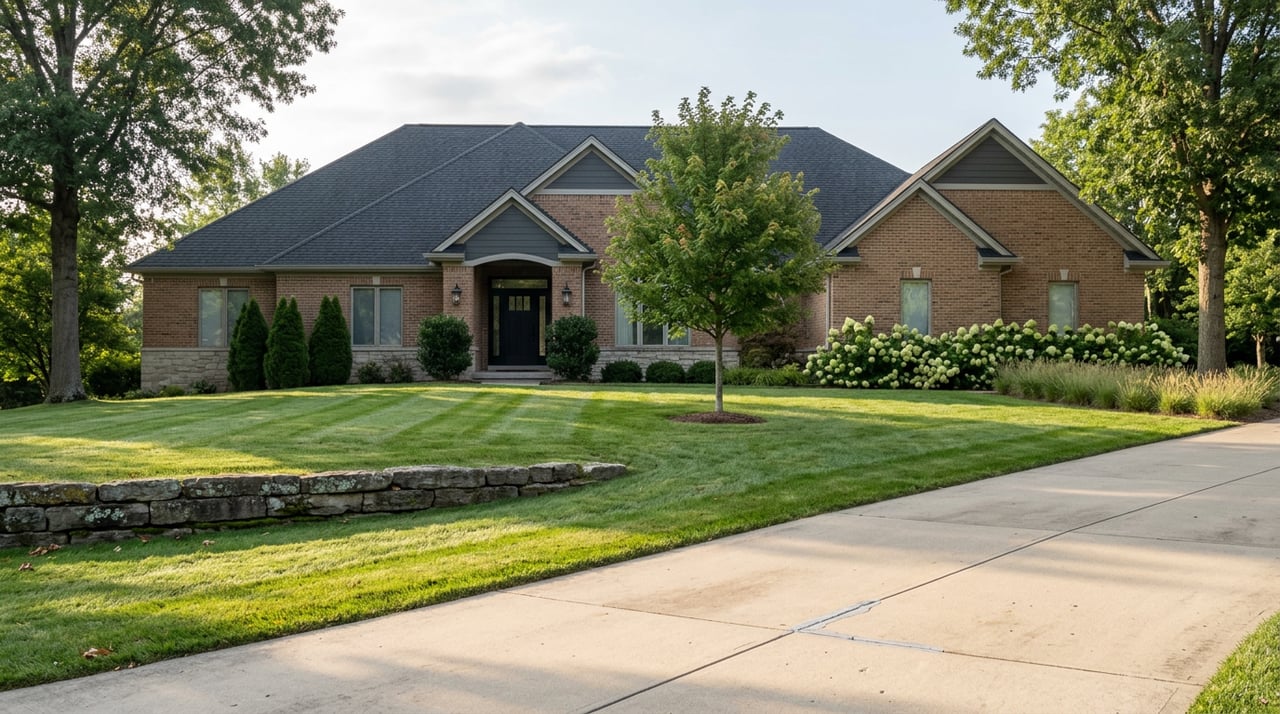
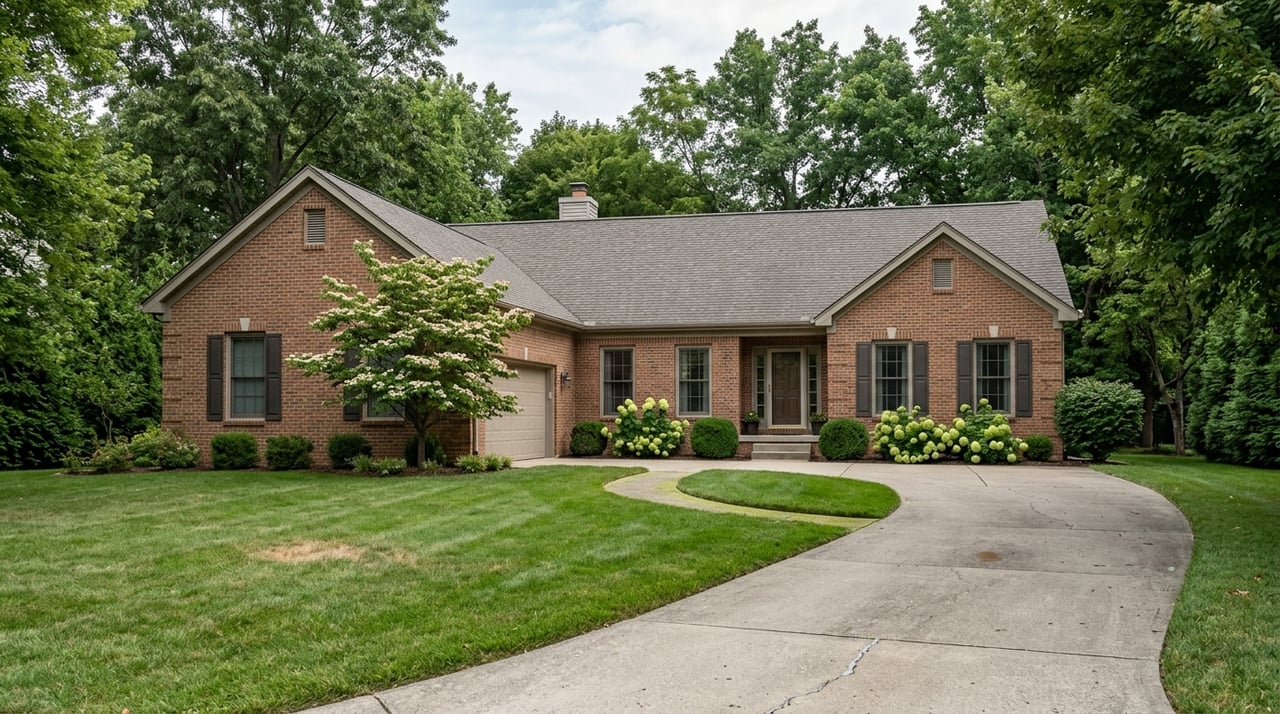
Cobblechase is a residential subdivision within Colerain Township. Homes typically reflect suburban layouts with yards, driveways, and garages. Condition and updates vary by property, which can affect pricing and time on market. Proximity to major roads and shopping corridors influences demand for many buyers who balance value, commute, and convenience.
School district boundaries, local parks, retail, and healthcare access all play into buyer decisions. If you are comparing streets within the subdivision, verify specific property details and tax assessments through county resources to understand carrying costs and value drivers.
Key metrics that matter in Cobblechase
Median sale price
Median sale price is the middle sold price for a period. It shows direction without being skewed by a single high or low sale. Track it across the last 12 months with a year-over-year view for Hamilton County, Colerain Township, and Cobblechase. Use a rolling 3 or 12 month median in Cobblechase to smooth out noise from a small number of sales.
What to watch: rising or steady medians paired with low inventory often signal strong demand. A dip in a single month in Cobblechase can be a mix issue rather than a trend if only a few homes sold.
Days on Market (DOM)
Days on market tracks how long it takes for a home to go under contract. It is a fast read on market speed. Use the median DOM across sold listings and confirm how your MLS defines it.
Helpful thresholds:
- Under 14 days: very fast
- 14 to 30 days: hot
- 30 to 60 days: balanced
- Over 60 days: slow
What to watch: if DOM in Cobblechase is under 30 days and the township is similar, your pricing and preparation strategy should assume faster buyer action.
List-to-sale ratio
List-to-sale ratio is the final sale price divided by the last list price, expressed as a percentage. It shows how close homes sell to asking.
Helpful thresholds:
- Above 99 percent: strong seller conditions
- About 97 to 99 percent: mildly seller-leaning to neutral
- Below 95 percent: buyer-friendly
What to watch: if you see high ratios and few price reductions, buyers have limited negotiating room. If ratios soften and reductions rise, sellers may need to adjust list strategy or offer concessions.
Inventory and months of supply
Inventory is the count of active listings. Months of supply is active listings divided by average monthly closed sales. It estimates how long it would take to sell the current inventory at the recent sales pace.
Helpful thresholds:
- Under 3 months: seller’s market
- 3 to 6 months: balanced
- Over 6 months: buyer’s market
What to watch: in small subdivisions, months of supply can jump around. Pair Cobblechase with Colerain Township for a steadier read, then adjust expectations based on the exact home you are buying or selling.
Entry and mid price tiers
Entry and mid tiers help you understand competition by price band. You can define tiers by percentiles or by bands around the median.
Two practical methods:
- Percentile method: Entry is up to the 33rd percentile of sales. Mid is the 34th to 66th percentile.
- Median-based bands: Entry is up to 85 percent of the area median. Mid is 85 to 150 percent of the area median.
Always note the number of sales in each tier. If the sample is small, use Colerain Township counts to support the Cobblechase read.
What this means for Cobblechase buyers
When the market is fast and inventory is tight, you should plan to move with clarity and confidence.
- Get fully underwritten preapproval so you can act the day the right home lists.
- Use a saved search for Cobblechase and adjacent streets within Colerain Township to widen your options without straying too far.
- If list-to-sale ratios are near or above 99 percent, consider offering near asking with strong terms and clear timelines.
- If months of supply is closer to balanced, look for inspection flexibility or closing credit opportunities.
- Focus on condition and total monthly cost, not just price. Property taxes and potential repairs change your true budget.
What this means for Cobblechase sellers
Your pricing and presentation plan should reflect current speed and buyer expectations.
- Price to the most recent, similar pending and closed sales. In a hot segment, pricing just at market can create early urgency.
- Invest in presentation. Clean, well-staged, and well-photographed homes reduce DOM and protect your list-to-sale ratio.
- Watch the first two weeks. If showings are thin in a hot market, consider a quick, targeted price adjustment.
- If months of supply rises toward balanced, prepare to negotiate on closing costs or minor repairs.
- Confirm your tax assessment and key property details so buyers feel confident and offers come in clean.
Data playbook for your Cobblechase snapshot
Here is how to produce a clear, current read for Cobblechase, Colerain Township, and Hamilton County.
- Gather data
- Pull the last 12 months of solds and a current active listing snapshot from the MLS for Cobblechase, Colerain Township, and Hamilton County.
- If subdivision fields are inconsistent, use a polygon map search or a verified street list.
- Cross-check addresses with Hamilton County Auditor records to ensure coverage.
- Compute the metrics
- Median sale price for 12 months and year over year change.
- Median days on market for 12 months.
- Median list-to-sale ratio.
- Active listings and months of supply. Months of supply equals active listings divided by average monthly closed sales over the last 12 months.
- Segment sales into entry and mid tiers using a percentile or median-based method and note the number of sales in each band.
- Compare and interpret
- Put Cobblechase next to Colerain Township and Hamilton County to see whether the subdivision is moving faster or slower.
- Use the thresholds above to label the environment as seller-leaning, balanced, or buyer-leaning for each tier.
- Flag small samples and lean on township metrics when needed.
- Turn metrics into strategy
- Buyers: adjust offer strength to the list-to-sale ratio and DOM. Short DOM and high ratios call for decisive terms.
- Sellers: align pricing and prep to months of supply and showing feedback in the first 10 to 14 days.
Neighborhood factors shaping demand
- Housing stock profile: Many Colerain subdivisions were built from the 1970s to the 1990s, with some newer infill. Condition and updates can vary street by street, which affects pricing and time on market.
- Commute and accessibility: Access to major roads and the Cincinnati job base influences demand. Buyers weigh commute time and convenience against price and space.
- Schools and amenities: School assignment, parks, retail, and healthcare access matter to many buyers. Confirm assignments and proximity details for each property.
- New construction and supply: Nearby new builds can ease pressure in entry and mid tiers or shift demand seasonally.
- Property taxes and assessments: Reassessments change carrying costs. Review a property’s current assessment and tax history during pricing.
- Mortgage rates and lending: Rate changes can speed up or slow down demand quickly. Track rate moves alongside DOM and list-to-sale shifts.
Next steps for Cobblechase buyers and sellers
If you want a clear, current read on Cobblechase, we can pull the latest MLS and county data and translate it into an action plan for your timelines and goals. Whether you are buying your first home, moving up, or preparing to list, our team pairs neighborhood fluency with thoughtful, design-forward presentation to help you make confident decisions.
Ready for a custom Cobblechase snapshot and strategy? Connect with Michele Donovan to get started.

FAQs
Buying in Cobblechase: Is now a good time?
- Look at months of supply and days on market for Cobblechase alongside Colerain Township; under 3 months of supply and low DOM point to faster decisions, while higher supply offers more negotiating room.
Colerain vs Cobblechase: Are prices up year over year?
- Check the 12 month median sale price for both areas; if Cobblechase has few sales, use the township and county medians to read overall direction and confirm that the change is based on enough transactions.
Selling in Cobblechase: How long will it take?
- Use the median days on market for similar homes and condition; in fast segments expect activity within the first two weeks, while balanced conditions can extend timelines toward 30 to 60 days.
Entry and mid tiers: What price bands should I use?
- Define tiers with percentiles or bands around the area median, then report the number of sales in each band so you know how competitive that slice of the market truly is.
Negotiation room: How close to list do homes sell?
- Use the list-to-sale ratio; numbers near or above 99 percent signal limited room to negotiate, while lower ratios and more price reductions suggest more flexibility for buyers.