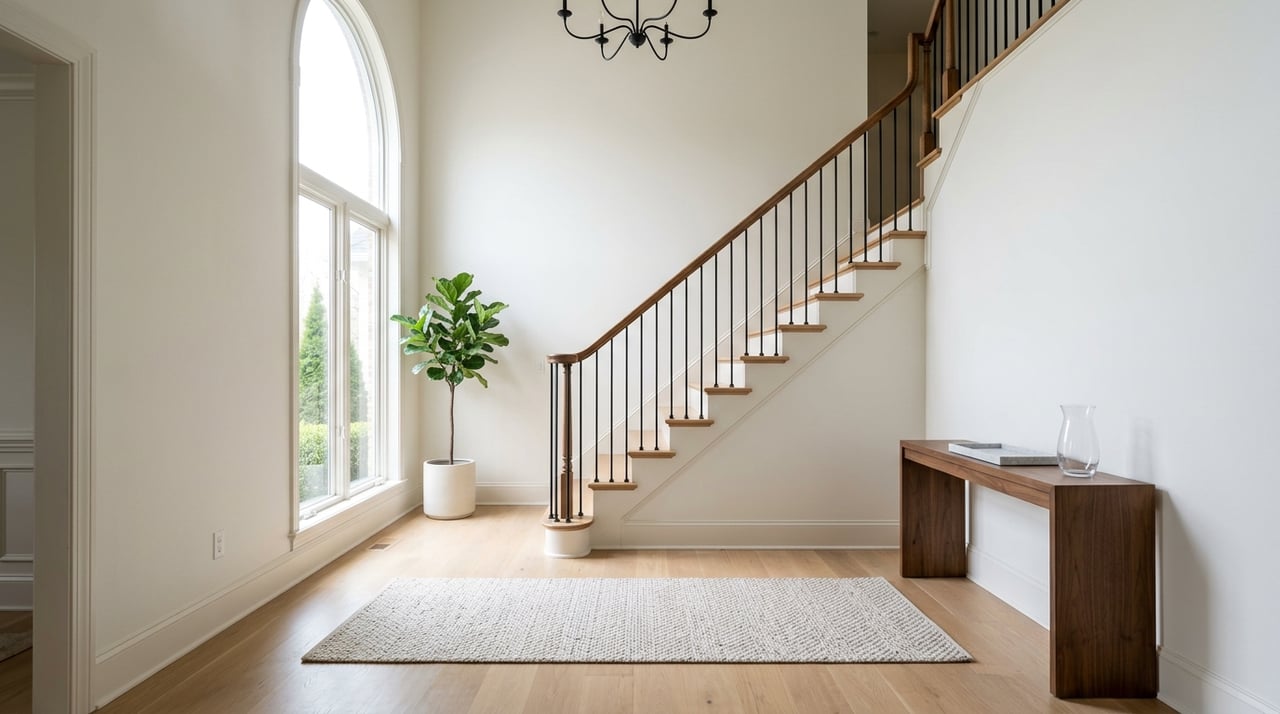
Planning A Smooth Home Sale In Monfort Heights
June 11, 2026
June 11, 2026
Selling a home in Monfort Heights can move faster than you expect. With local homes selling in a matter of days or weeks, the biggest mistake is waiting until you are ready to list before you start getting ready to sell. If you want a smoother, less stressful experience, the best move is to plan ahead. Here’s a calm, practical roadmap to help you prepare your sale with confidence. Let’s dive in.
In Monfort Heights, timing matters, but preparation matters just as much. Recent local market data points to a competitive environment, with homes often moving quickly once they hit the market. Redfin reported a March 2026 median sale price of $305,000 and about 47 days on market in Monfort Heights, while nearby 45247 data from Zillow showed homes going pending in around 7 days and nearly 29.6% of sales closing over list price.
That kind of pace means your best strategy is to begin before your listing date is even on the calendar. A seller-friendly planning window is about 8 to 12 weeks before you expect to go live. Zillow also notes that many homeowners start thinking about selling 3 to 4 months in advance, which makes early prep a smart way to reduce stress and avoid last-minute decisions.
A smooth home sale usually follows a clear rhythm. Instead of doing everything at once, break the process into manageable stages so each step supports the next one.
This is the time to clear space, make a plan, and gather information. Start by decluttering rooms, removing personal items, and packing away anything you do not need for daily life. Excess furniture, seasonal décor, and overfilled closets can make rooms feel smaller than they are.
Cleaning up early also helps you see the house more objectively. You may notice chipped paint, worn caulk, dripping faucets, loose handles, or exterior items that need attention. These smaller fixes can make a big difference once buyers start walking through the home.
Once the home is pared down, focus on repairs and disclosure prep. Ohio’s Residential Property Disclosure Form asks about items such as the roof, water supply, sewer, water intrusion, mechanical systems, hazardous materials, zoning or code violations, assessments, and homeowners association issues. A thoughtful pre-listing walkthrough can help you identify known concerns before completing the form.
The Ohio disclosure form is based on your actual knowledge. It is required under Ohio law, and it is not a warranty or a replacement for inspections. It is also smart to prepare it before the home goes live, since the form states that buyers may have rescission rights if it is not provided before the purchase contract is entered, subject to the statutory deadlines.
This is the ideal window for staging and photography. Once the home is clean, simplified, and repaired, you can focus on presentation. In a fast-moving market, first impressions carry a lot of weight because buyers often decide quickly which homes they want to see.
The best sequence is simple: declutter first, stage second, photograph third, then list. That order helps your marketing reflect the home at its best and gives buyers a clear, polished first look online.
Not every project needs to be large or expensive. In many cases, the most helpful pre-sale work is basic maintenance and cosmetic cleanup.
Here are common items worth tackling early:
These details matter because they reduce distractions. When buyers are not focused on small issues, they can spend more time noticing the layout, light, and overall condition of the home.
A smooth sale is not just about how your home looks. It is also about how organized you are when questions come up.
Ohio sellers should be ready to complete the Residential Property Disclosure Form based on what they know about the property. It helps to gather service records and receipts before your listing goes live, especially for items that commonly come up during inspections or buyer questions.
A practical seller file may include:
Keeping these documents together can save time later and make it easier to respond clearly if a buyer asks for more detail.
If your home dates to before 1978, gather lead-based paint disclosure materials early. Federal rules require sellers of most pre-1978 housing to disclose known lead-based paint and known lead hazards before sale. Having those documents ready from the start can help your transaction stay organized through closing.
You do not need to stage every square foot to make a strong impression. Research from the National Association of Realtors shows staging helps buyers visualize a property more easily, and sellers’ agents reported that staging often reduces time on market.
According to NAR’s 2025 report, 83% of buyers’ agents said staging made it easier for buyers to picture the property as a future home. The same report found that 29% said staging led to a 1% to 10% increase in the dollar value offered, and 49% of sellers’ agents said staging reduced time on market.
If you want to prioritize, spend the most energy on these areas:
These rooms often anchor a buyer’s first impression. Clean lines, open surfaces, balanced furniture placement, and soft, natural light can help the home feel more inviting and easier to understand.
Most buyers start online, so your photo prep matters just as much as in-person showings. NAR’s photo-shoot guidance notes that high-resolution photos and video are now essential, and that cameras often magnify clutter, dust, and awkward furniture placement.
Before photos, try to:
The goal is not to make your home look empty. It is to help each room read clearly and feel spacious, bright, and well cared for.
Once your home is listed, the first several days can be especially important. Nearby 45247 market data showed homes going pending in about a week, and Monfort Heights has also shown signs of strong buyer activity and multiple-offer conditions.
That means your home should be as ready as possible on day one. If the market responds quickly, you may have less time than you expect to circle back and finish details after launch.
During the first week, keep the house clean, flexible, and easy to show. That may mean wiping down surfaces daily, limiting countertop items, and having a simple routine for tidying before you leave.
Even in a strong market, buyers notice presentation. A clean, calm space helps them focus on the home itself rather than on the effort it might take to settle in.
Your disclosure file should stay current throughout the sale. The Ohio form may need to be updated if circumstances change, so it is wise to keep your records handy and be ready to answer questions with documentation when needed.
That kind of preparation helps the transaction move more smoothly from showing to contract to closing.
Several market sources point to spring as a strong time to sell in the Cincinnati area, though the exact peak week varies. Realtor.com identified March 29 to April 4 as Cincinnati’s best week to sell in 2026, Zillow pointed to the first two weeks of May, and Redfin identified late April as a national sweet spot.
The bigger takeaway is not to chase one perfect week. It is to be fully prepared before your preferred listing window opens. In a market like Monfort Heights, strong prep lets you act when timing and conditions line up, instead of scrambling to catch up.
Selling your Monfort Heights home does not have to feel rushed. When you start 8 to 12 weeks ahead, handle small repairs early, organize disclosures and records, and invest in thoughtful staging and photography, you put yourself in a stronger position from the beginning.
That kind of planning is especially valuable in a market where buyers may move quickly. If you want calm guidance, polished presentation, and a step-by-step plan tailored to your home, Michele Donovan can help you prepare for a smoother, more confident sale.
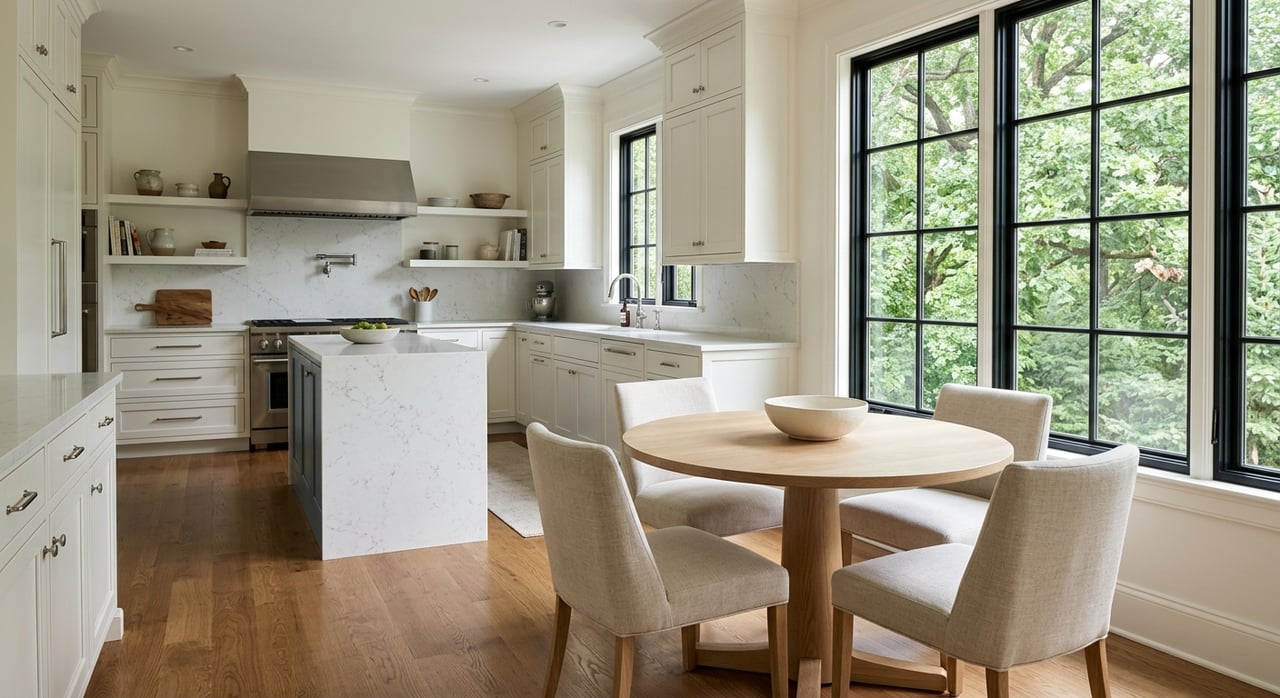


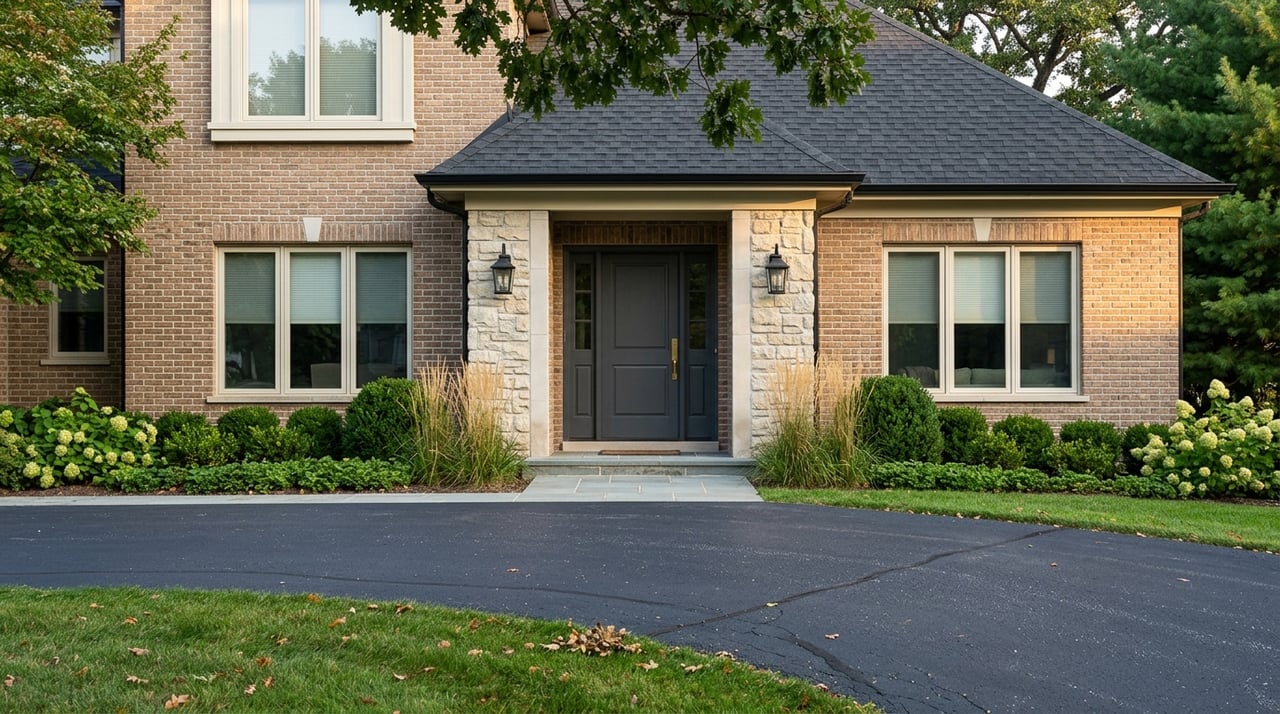

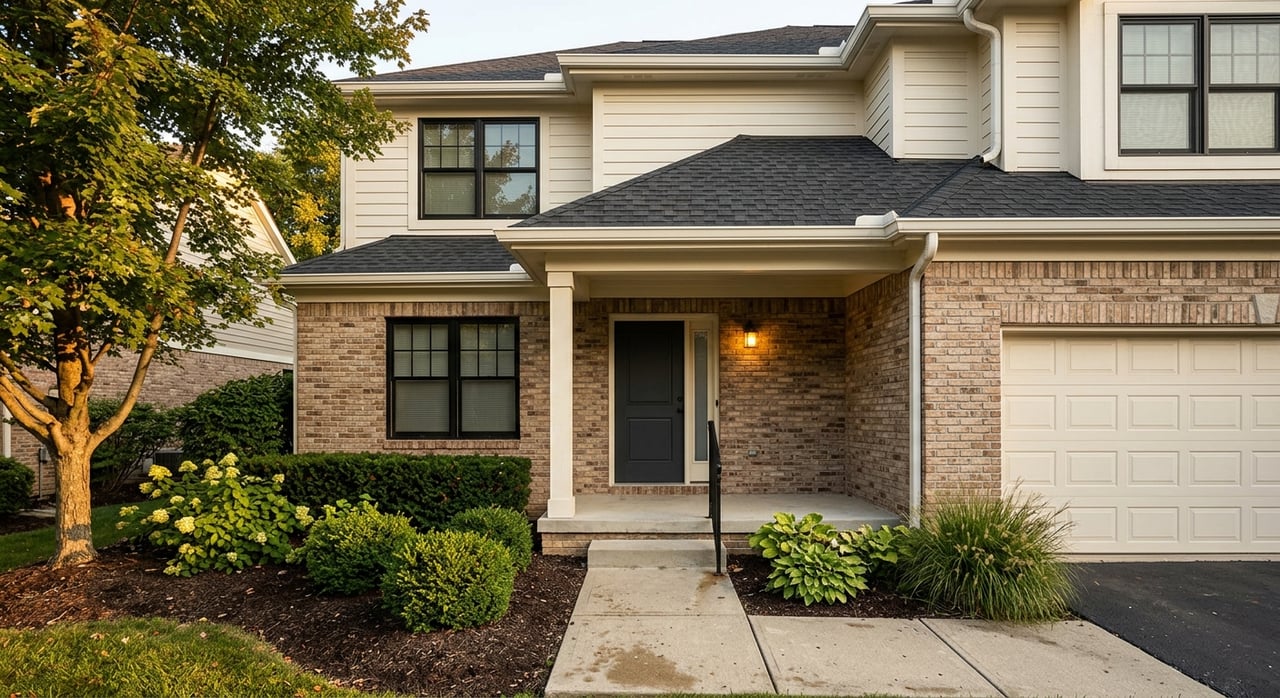

Whether you’re buying your first home, upgrading to fit a growing family, or downsizing for a new chapter, we’re here to guide you with the care and expertise you deserve.
MICHELE DONOVAN GROUP
6730 Ruwes Oak Dr Cincinnati, OH 45248