Selling a Home in Cleves: Your Step-by-Step Guide
July 9, 2026
July 9, 2026
Selling your home can feel like a lot to juggle, especially when you want to price it right, make a strong first impression, and avoid surprises before closing. If you are getting ready to sell in Cleves, you are not alone in wondering what matters most and what steps should come first. This guide walks you through the selling process step by step so you can move forward with more clarity, less stress, and a stronger plan. Let’s dive in.
Before you do anything else, it helps to understand the market you are stepping into. Cleves is a village in Hamilton County with a mix of historic homes, suburban subdivisions, parks, and river access. That means buyers may look closely at both your home’s condition and the lifestyle it offers.
Current market snapshots suggest Cleves is active, but not overheated. Redfin reported a median sold price of $213,372 in May 2026, homes taking about 42 days to sell, and a 100.3% sale-to-list ratio. Other sources show different figures for listing prices and home values, which is normal because sold data, active listings, and estimated values measure different things.
The big takeaway is simple. In Cleves, sellers are more likely to succeed with smart pricing and strong presentation than by assuming the market will do all the work. Some homes may still move quickly, but the best results usually come from good preparation.
Pricing is one of the most important decisions you will make. A price that is too high can slow your momentum in the first few weeks, while a price that is too low may leave money on the table. The strongest starting point is recent sold homes that are similar to yours in size, age, condition, and location.
You also want to compare your home with current active listings in the same part of Cleves. A historic village home may compete differently than a home in a newer subdivision, so micro-location matters. Buyers are comparing your home with what else they can see right now.
This step matters because sellers often care most about competitive pricing, effective marketing, and selling within a certain timeframe. National Association of Realtors data from 2025 found that recently sold homes closed at a median of 99% of the final list price. That reinforces the value of setting a realistic number from the start.
The first few weeks on market usually bring the most attention. Realtor.com research from June 2026 found that homes closing about four weeks after listing achieved the best sale-to-list ratio on average. Homes that lingered much longer tended to perform worse.
That means your launch price is not just a number. It shapes traffic, negotiation leverage, and how buyers perceive value. In a market like Cleves, that early window can make a real difference.
Once pricing is underway, turn your attention to condition. You do not need to renovate everything, but you should address the issues buyers are likely to spot right away. Small distractions can create bigger doubts during showings.
A practical place to start is with repairs tied to function and visible upkeep. Realtor.com recommends fixing leaks, nonfunctioning appliances, pest issues, and any imminent safety or environmental hazards before listing. These are the kinds of items that can hurt confidence quickly.
If you want a solid return on your effort, focus on the basics buyers notice immediately:
According to NAR’s 2025 staging survey, decluttering, deep cleaning, and curb appeal improvements were the most common recommendations to sellers. These steps help buyers focus on the home itself instead of the work they think they will need to do.
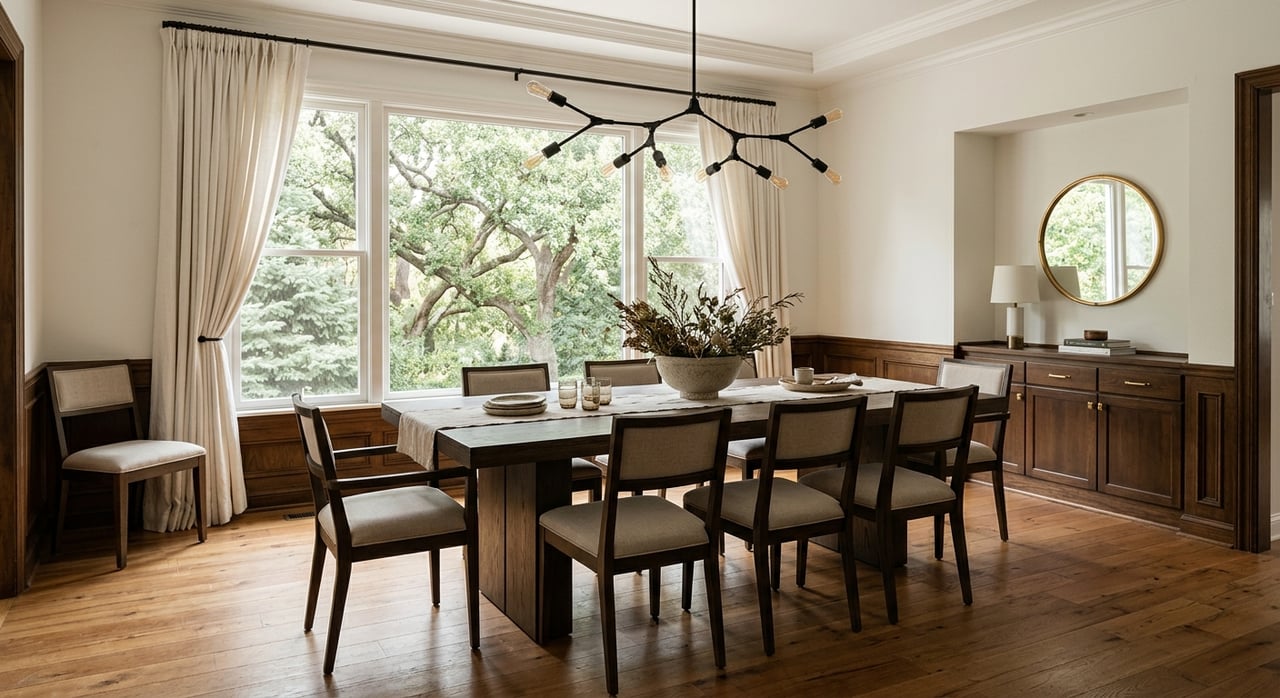
Staging does not have to mean making your home look formal or overdesigned. The goal is to help buyers picture how the space lives. That is especially important in Cleves, where homes can vary widely in style, layout, and age.
NAR found that 83% of buyers’ agents said staging made it easier for buyers to visualize a property as a future home. The rooms with the most impact were the living room, primary bedroom, and kitchen. If you are deciding where to spend time and energy, start there.
Good staging usually means editing, not adding. You want rooms to feel open, bright, and easy to understand. A few thoughtful changes can go a long way.
Consider these staging priorities:
For older homes in Cleves, this can be especially helpful. Strong presentation can highlight character without making the home feel dated.
Most buyers will see your home online before they ever set foot inside. That makes your listing photos and digital presentation a major part of your selling strategy. If your home looks dark, cluttered, or incomplete online, some buyers may never schedule a showing.
Buyers’ agents rate photos, videos, and virtual tours as highly important. Strong media helps buyers decide whether your home is worth a visit. It also supports your pricing by showing the home at its best from the first day on market.
For a Cleves home, good photography can also highlight features that connect to lifestyle. Natural light, lot size, outdoor space, and curb appeal may all help tell a fuller story. This is where professional presentation can support stronger interest early on.
You cannot control every market condition, but you can be thoughtful about when you launch. Research for 2026 points to spring as the strongest window for sellers. Realtor.com identified April 12 through 18 as the best week to sell in 2026, with more views, faster sales, and stronger pricing than the average week.
Zillow’s 2026 guidance also points to late spring as a historically strong time to sell, with the last two weeks of May producing an extra 1.7% for sellers last year. Zillow also noted that many homeowners start planning three to four months before they actually list. That is a good reminder to begin early.
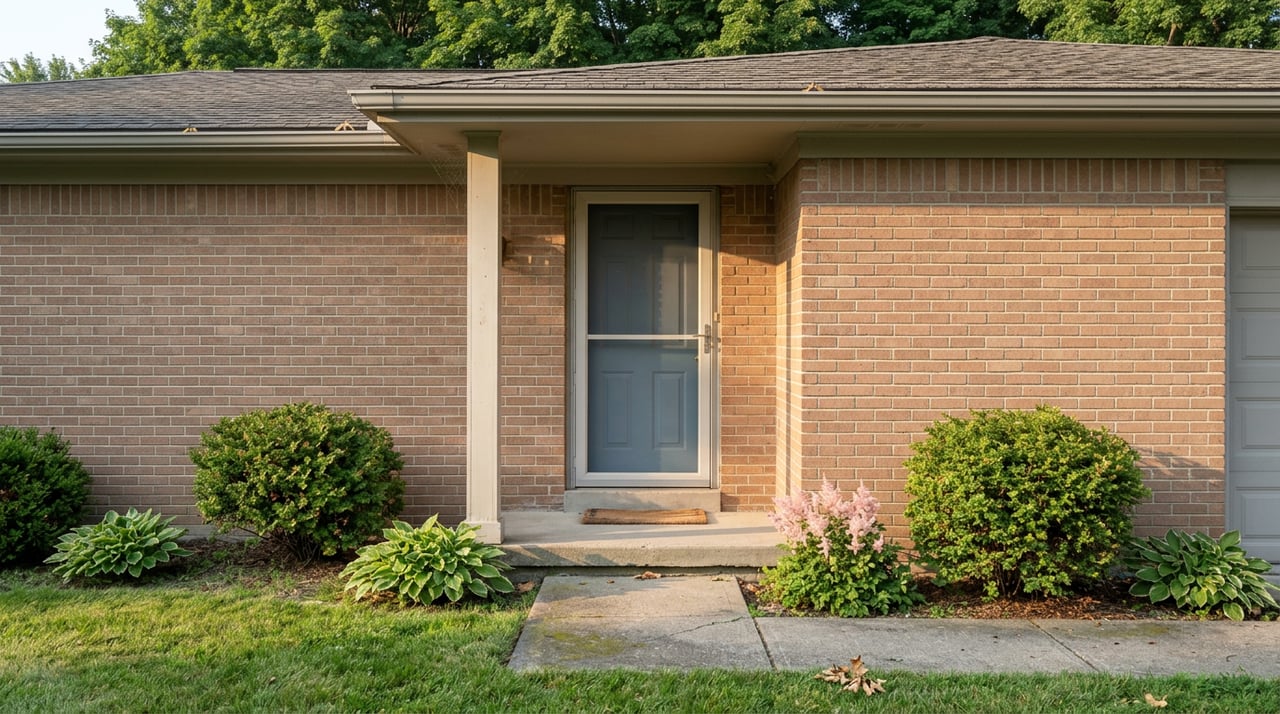
Cleves includes a mix of historic residences and suburban neighborhoods, so exterior presentation can play a big role in buyer interest. Better weather, more daylight, and greener landscaping can help your home show better. Spring can make curb appeal easier to maximize.
If you are aiming for a spring listing, start preparing well before your target date. That gives you time to handle repairs, organize staging, and build a launch plan that does not feel rushed.
Once your home hits the market, the first month deserves close attention. This is when your listing is freshest and buyers are most likely to compare it with new competition. A strong start can lead to better offers and less pressure later.
Pay attention to showing activity, buyer feedback, and how your home is performing against similar listings. If traffic is slow or feedback points to the same issue again and again, it may be time to adjust. In many cases, the market tells you quickly whether your price and presentation are aligned.
Redfin notes that in Cleves, hot homes can sell for about 2% above list price and go pending in around 35 days. That does not happen for every listing, but it does show that homes can still gain traction when they are positioned well.
Paperwork may not be the most exciting part of selling, but it is one of the most important. In Ohio, most sales of one-to-four-unit residential property require a Residential Property Disclosure Form. This form is based on your actual knowledge and is not a warranty or a substitute for inspections.
You should answer every question carefully and use “Unknown” when the information is not within your actual knowledge. Ohio’s disclosure framework covers areas such as water supply, sewer system, structural conditions, and certain hazardous materials, including lead, asbestos, radon, and urea-formaldehyde foam insulation.
Ohio law allows the disclosure to be amended in writing if needed. It also provides a limited buyer rescission right if the form is delivered late in the process. That is one reason it helps to complete disclosures early instead of waiting until the last minute.
Ohio law also requires a separate fair-housing and anti-discrimination disclosure to be given to the seller before a licensee markets or shows residential real estate. Having these steps handled early can help your sale move more smoothly.
If your home was built before 1978, there is another required step. Federal law requires disclosure of known lead-based paint information, any available records or reports, a lead warning statement, and an EPA pamphlet before the sale is signed.
Buyers must also be given a 10-day opportunity to conduct a lead inspection or risk assessment. If your home falls into this category, planning ahead can prevent avoidable delays.
As you get closer to closing, it helps to know what county-level items may come into play. Hamilton County transfer policies typically require DTE Form 100 or 100EX and evidence of title. In some cases, DTE 101 or 102 may also apply if homestead or agricultural-use status is involved.
The county also lists a state conveyance fee of $1 per $1,000 of sale price, a Hamilton County permissive tax of $2 per $1,000, and a $0.50 per-parcel transfer tax. The recorder’s basic recording fee is $34 for the first two pages and $8 for each additional page. Knowing these numbers can help you estimate net proceeds more accurately.
Selling a home involves pricing, preparation, marketing, scheduling, negotiation, paperwork, and closing coordination. That is a lot to manage on your own, especially if you are also buying, moving, or balancing a busy schedule. NAR’s 2025 profile found that 91% of sellers used a real estate agent.
A team-based approach can help keep each part of the process moving together. When pricing, staging, photography, and paperwork are coordinated from the beginning, you are in a better position to launch with confidence and respond quickly as the market reacts.
For many Cleves sellers, the best path is not doing more. It is doing the right things in the right order.
If you are thinking about selling your Cleves home, a calm plan can make all the difference. With the right pricing, thoughtful preparation, strong presentation, and organized transaction support, you can move forward with more confidence from listing day to closing. When you are ready for tailored guidance, connect with Michele Donovan.
Whether you’re buying your first home, upgrading to fit a growing family, or downsizing for a new chapter, we’re here to guide you with the care and expertise you deserve.
MICHELE DONOVAN GROUP
6730 Ruwes Oak Dr Cincinnati, OH 45248