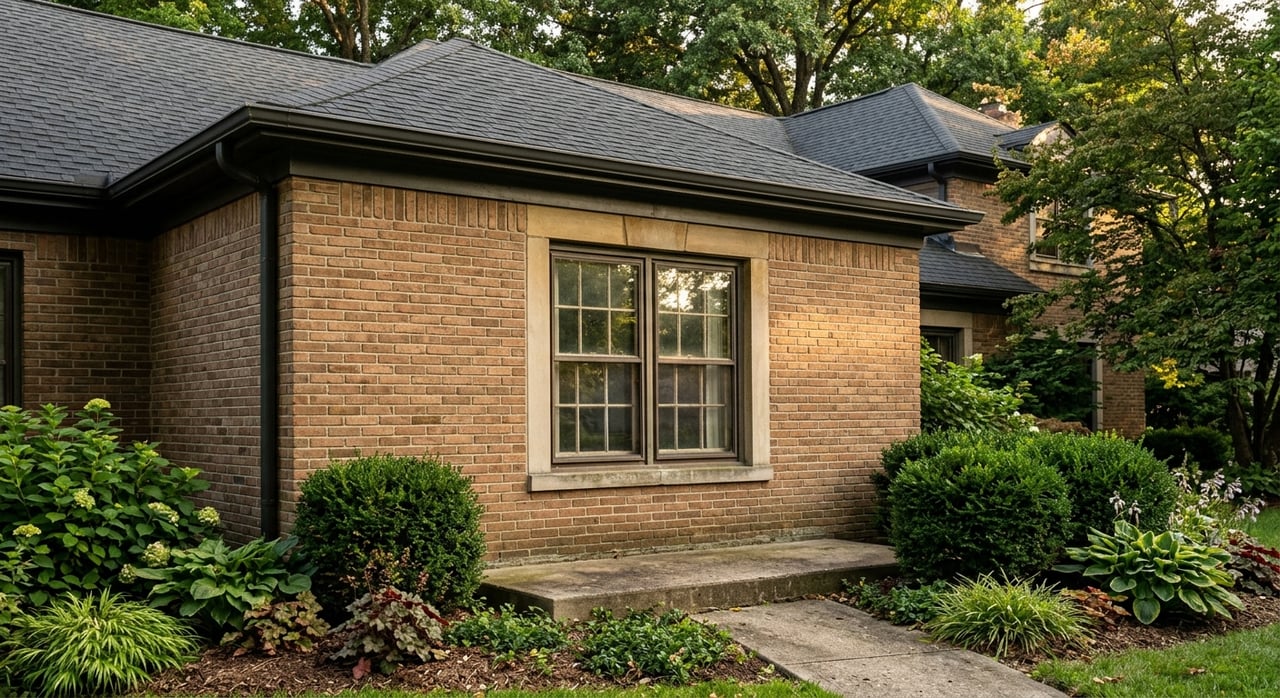
Evaluating Bridgetown OH Investment Rehab Opportunities
May 14, 2026
May 14, 2026
Wondering whether a Bridgetown fixer-upper is a smart opportunity or a money pit in disguise? If you are thinking about buying, renovating, and reselling in this part of Hamilton County, the details matter more than the hype. The good news is that Bridgetown offers a mix of stable homeowner demand, older housing stock, and resale price points that can create real value when you choose the right project. Let’s dive in.
Bridgetown has the kind of housing profile that often gets rehab buyers interested. ACS 2024 5-year data shows 13,464 residents, 5,719 households, a median household income of $80,564, and an 85.5% owner-occupied housing unit rate. That points to a largely homeowner-focused area where updated homes may appeal to buyers who want move-in-ready options.
The local numbers also help frame your expectations. Census data puts the median owner-occupied home value at $183,600, while more recent market readings show higher current sale and list prices. In February 2026, Redfin reported a median sale price of $273,000 and 39 days on market, while Realtor.com reported a $290,000 median listing price, 29 days on market, and $177 per square foot.
That gap matters. If you are evaluating a rehab, sold prices should guide your exit strategy, while active listings should act more like a ceiling than a baseline. In plain terms, you want to underwrite to what buyers have actually paid, not just what sellers hope to get.
One reason rehab opportunities can show up in Bridgetown is the age of the surrounding housing stock. Hamilton County reports 379,583 housing units, with more than 94,964 built before 1939 and only 3.8% built from 2010 to 2019. That does not mean every home in Bridgetown is a project, but it does suggest a market where updates can still move the needle.
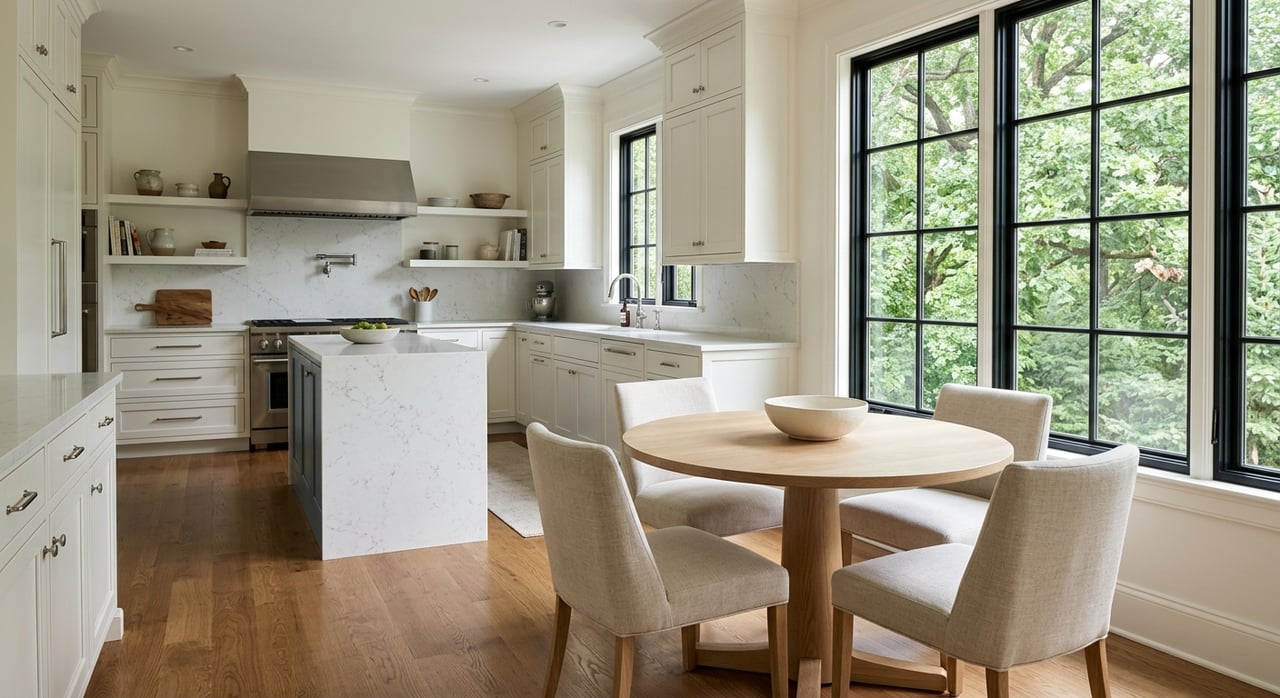
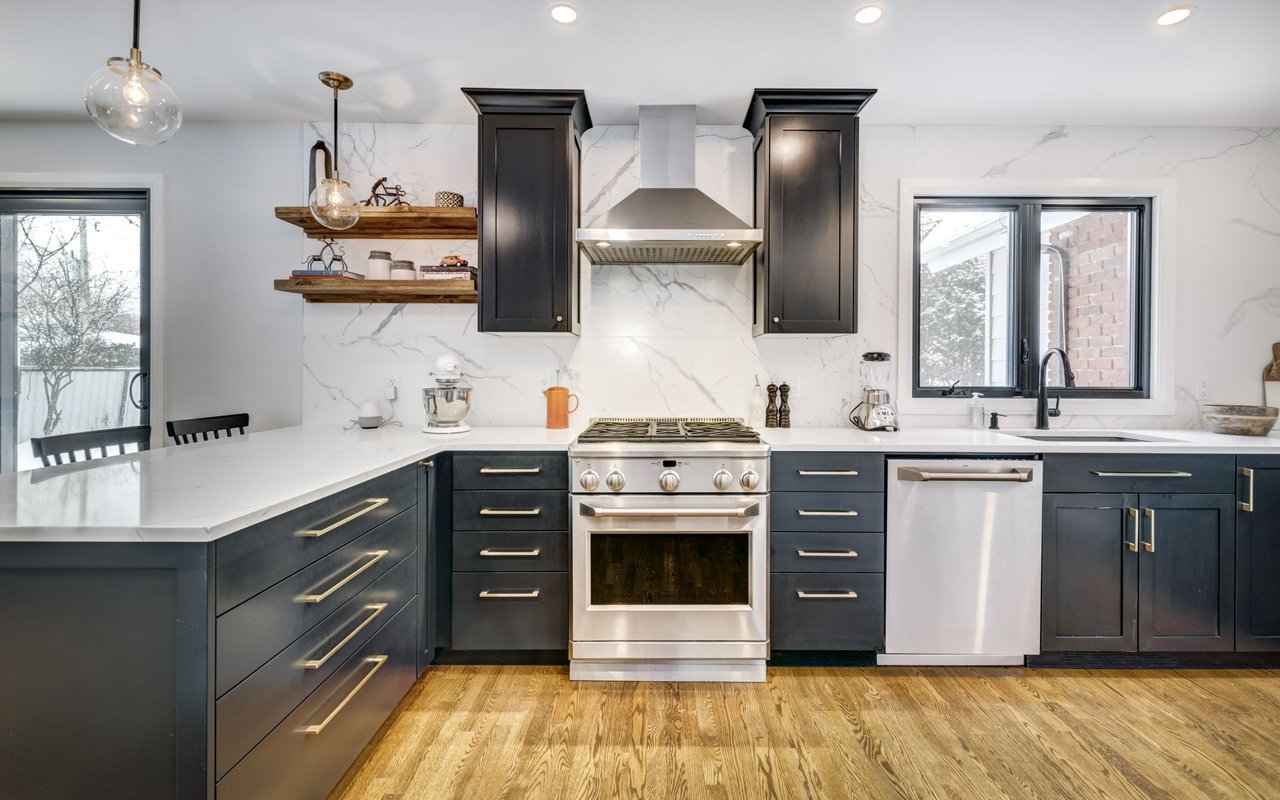
In areas with older homes, value often comes from practical improvements rather than dramatic overbuilding. Think functional kitchens, refreshed baths, improved systems, clean finishes, and better curb appeal. Those upgrades tend to be easier to understand, easier to market, and often more in line with what local buyers expect.
For many buyers, the goal is not to create a flashy one-off product. It is to create a home that feels well cared for, easy to live in, and appropriately updated for the neighborhood. That is usually a much safer path than chasing expensive features that are hard to support with comps.
A pretty renovation cannot always fix a weak floor plan. Before you get distracted by paint colors or cabinet styles, look at how the house functions. In a stable, highly owner-occupied area like Bridgetown, broad buyer appeal often comes from layouts that feel practical and comfortable without major structural changes.
That means you should pay close attention to room flow, bedroom and bath count, kitchen usability, storage, and natural light. If the home needs major structural work just to feel competitive, your costs can rise quickly. A simpler project with a solid layout and dated finishes may be the better opportunity.
This is where disciplined deal analysis matters. The best rehab candidates are often the homes where your money improves usability and presentation, not the ones where you have to reinvent the house from scratch.
One of the fastest ways to turn a promising deal into a frustrating one is to assume the work will be easy to approve. Green Township says a zoning permit is required before new homes, additions, renovations, decks, sheds, swimming pools, accessory structures, fences, changes of use, and other improvements. The township also notes that zoning districts have different lot-area, setback, height, and lot coverage standards.
If your planned project does not comply, a variance is required before work can proceed. That means your renovation budget and timeline need to account for more than construction costs. They also need to account for the approval path.
At the county level, Hamilton County’s residential building permit application covers new single-family dwellings, additions, alterations, decks, and accessory structures. The county’s permit guide says the work must comply with Hamilton County or applicable township zoning and building codes. If your renovation involves more than light cosmetic updates, permit review should be part of your screening process from day one.
Older homes can be especially tricky when you want to add square footage. Hamilton County’s zoning resolution says noncomplying structures may be repaired, maintained, or altered, but any new addition or expansion must comply with current setback, height, and use regulations. That can limit what looks possible on paper.
This is an important distinction for rehab buyers. A home may be perfectly workable as a cosmetic renovation, but far less attractive if your profit depends on an addition that zoning will not support. In other words, expansion potential is often a zoning question before it becomes a design question.
If your deal only works with a large addition, proceed carefully. A more conservative plan that improves the existing footprint may offer a cleaner path and a lower-risk exit.
Permits are not just a box to check. They also affect your schedule. Hamilton County materials note that permits can expire if work is not started, postponed, abandoned, or not inspected within six months of issuance.
That has real consequences for rehab planning. If your contractor timeline slips, inspections get delayed, or the scope changes mid-project, your carrying costs can rise. A good rehab opportunity is not just about buying at the right price. It is also about finishing and exiting on a realistic timeline.
Building in extra time can help protect your budget. It may not be exciting, but timeline discipline is often what separates a solid project from a stressful one.
If a property sits in a mapped flood hazard area, Hamilton County EMA materials say a local flood-hazard area development permit must be obtained before repairs. That makes early due diligence especially important. You do not want to discover permit complications after you close.
It also makes practical condition checks more important. Drainage problems, basement moisture, and insurance review should all move up your checklist if flood risk may be in play. Even if the home looks attractive at first glance, these issues can affect cost, scope, and resale.
A careful upfront review can save you from expensive surprises. When you are sizing up a rehab, hidden property issues often matter more than surface-level cosmetics.
Oak Hills Local School District is a meaningful part of the local context in the Bridgetown area. The district says it serves about 7,400 preschool through 12th-grade students, was formed in 1956 through district consolidation, and falls in the lower 20% of taxes assessed per school district in Hamilton County.
For rehab buyers, this matters because buyers often compare homes within school district boundaries and consider ongoing tax burden as part of affordability. That does not automatically raise value for every project, but it does affect how many buyers may consider your finished product. Your resale plan should reflect that broader context.
The key is fit. A renovation that aligns with buyer expectations in the Oak Hills area is usually easier to position than one that overshoots the market or ignores neighborhood norms.
In Bridgetown, the strongest rehab candidates are usually the ones where the improvement story is easy for buyers to understand. Based on current market pricing, local housing patterns, and the code framework, practical updates often make more sense than highly customized changes.
Focus on improvements like:
These kinds of changes can help a home compete without forcing an unrealistic after-repair value. They also tend to fit a wider range of buyers, which can matter when you are planning your exit.
When you run numbers on a rehab, your comp strategy matters as much as your construction budget. In Bridgetown, sold comps should drive your after-repair value because they reflect what buyers actually paid. Current listings can help you understand the competition, but they should not become your main pricing support.
That distinction is especially important when sale prices and listing prices are close but not identical. With a median sale price reported at $273,000 and median listing price around $290,000, your renovation needs enough real improvement to justify the spread between purchase price, renovation cost, carrying costs, and resale price.
This is where local judgment helps. Two homes can have similar square footage but very different resale outcomes based on layout, condition, lot fit, and how well the updates match what buyers expect in the area.
Before you call a Bridgetown property a rehab opportunity, ask yourself:
If you can answer those questions clearly, you are already ahead of many buyers who focus only on the purchase price. A good rehab deal is rarely about one number. It is about how all the pieces fit together.
If you are weighing a fixer-upper in Bridgetown, the right guidance can help you spot real upside and avoid expensive missteps. The team at Michele Donovan brings local market fluency, thoughtful strategy, and a design-minded eye to help you evaluate opportunities with confidence.

Whether you’re buying your first home, upgrading to fit a growing family, or downsizing for a new chapter, we’re here to guide you with the care and expertise you deserve.
MICHELE DONOVAN GROUP
6730 Ruwes Oak Dr Cincinnati, OH 45248