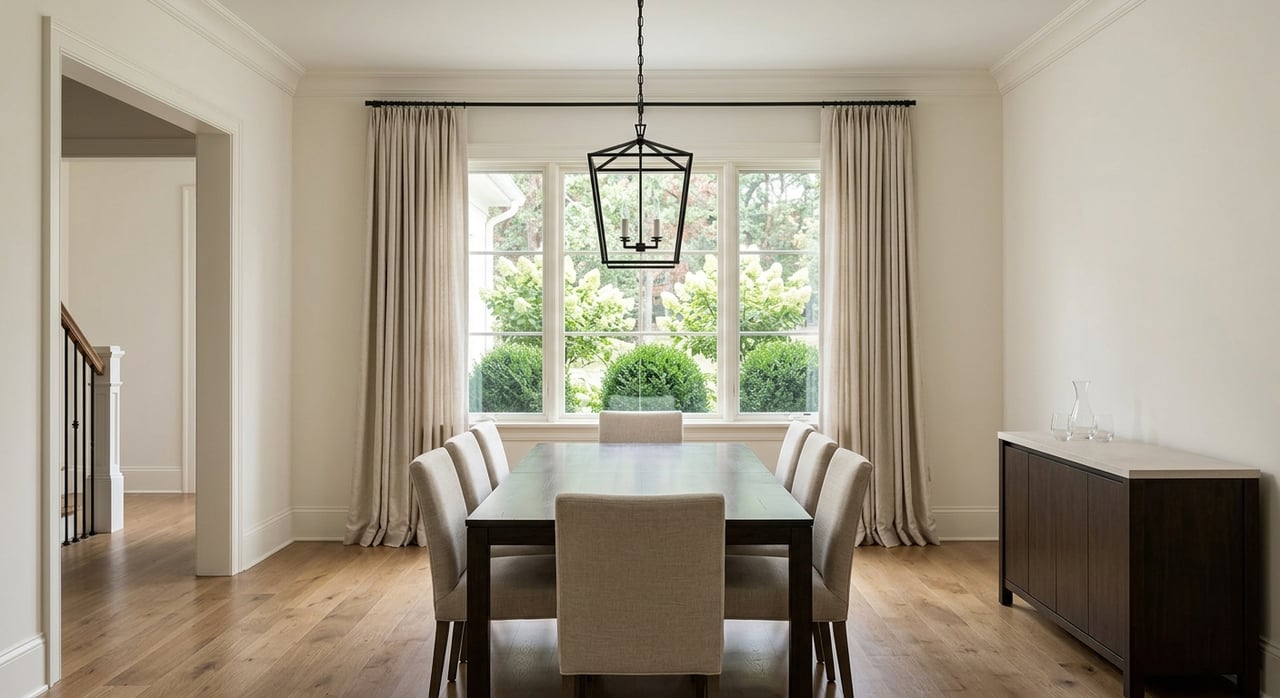
How to Price Your Monfort Heights Home With Clarity
May 7, 2026
May 7, 2026
Wondering how to price your Monfort Heights home without leaving money on the table or watching it sit too long? That tension is real, especially when public numbers do not always agree and broader county trends do not tell the full story of your street, your block, or your home’s condition. The good news is that confident pricing is possible when you focus on the right local data, honest condition adjustments, and a smart launch plan. Let’s dive in.
If you are selling in Monfort Heights, your pricing strategy should start at the neighborhood level, not with county or statewide averages. In February 2026, Realtor.com reported Monfort Heights as a seller’s market with 52 homes for sale, a median home sale price of $279,000, median days on market of 54, and a 98% sale-to-list ratio. Redfin, however, showed a February 2026 median sale price of $250,000 for Monfort Heights.
That gap matters. It tells you that a single public estimate can miss the mark, especially when homes vary in size, layout, updates, lot size, and overall presentation. In a neighborhood like Monfort Heights, the strongest pricing decisions come from the newest sold comparable homes nearby.
Hamilton County market data can add context, but it should not set your list price. Realtor.com labeled Hamilton County a buyer’s market in March 2026, with 33 median days on market and a 100% sale-to-list ratio, while Zillow showed 1,830 homes for sale, a median sale price of $240,000, and 12 median days to pending.
Ohio market data gives an even broader snapshot. Ohio REALTORS® reported a February 2026 median sales price of $255,000, 2.74 months of supply, and active listings up 3% year over year, while noting the market still favored sellers overall. Helpful? Yes. Precise enough to price your Monfort Heights home? No.
A strong list price blends local market analysis, comparable sales, property condition, and your own goals for timing and outcome. According to the research provided, recent sold comps should carry the most weight, while active and pending listings help frame current competition.
That means your price should reflect homes that are similar to yours in the ways buyers notice most, including:
When one home is updated and move-in ready and another needs cosmetic work, the county average cannot explain that difference. Buyers can see it, and they price it in quickly.
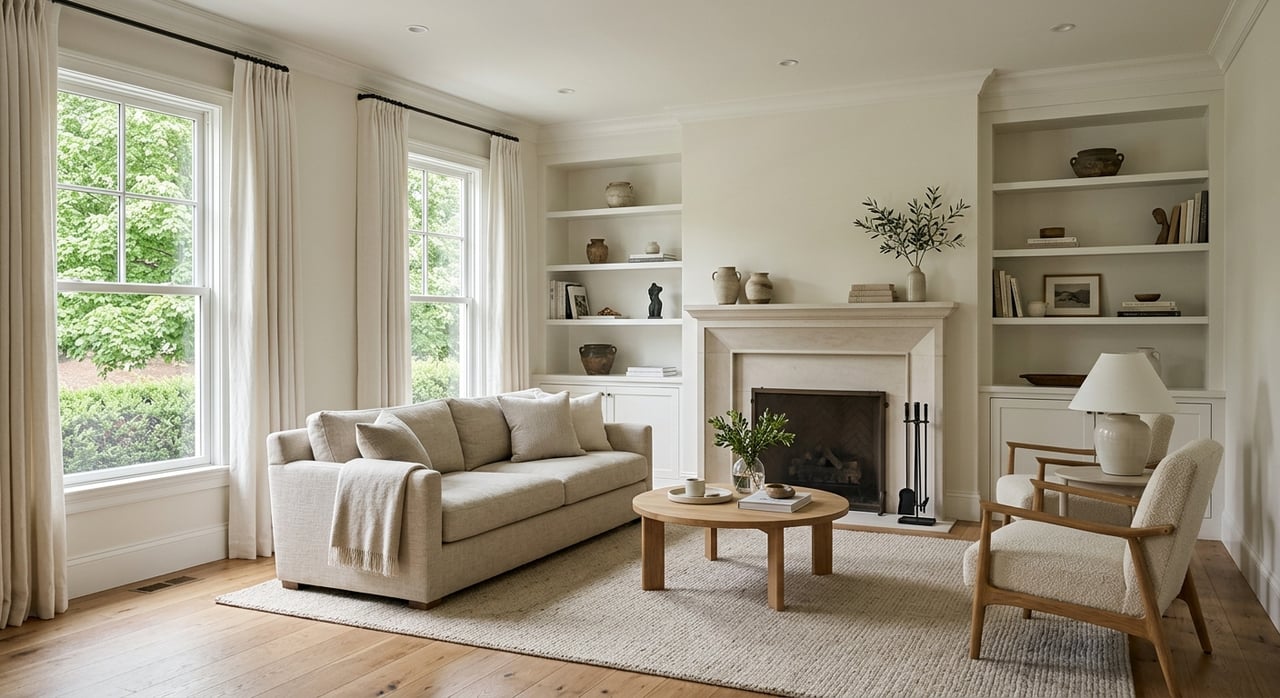
Condition shapes value more than many sellers expect. Even in a seller’s market, buyers compare your home to what else they can buy today, and they often react first to photos and overall presentation before they ever step through the door.
That is why pricing and prep should work together. If your home shows well, feels clean and cared for, and makes a strong first impression online, you may be able to support a stronger list price within the range your comps suggest.
The research points to a few practical truths. NAR’s 2025 Profile of Home Staging found that 83% of buyers’ agents said staging makes it easier for buyers to picture the home as their future home, 29% of agents said staging led to a 1% to 10% increase in the dollar value offered, and 49% of sellers’ agents saw staged homes sell faster.
Photos also matter a great deal. Buyers’ agents rated listing photos as highly important, and the living room, primary bedroom, dining room, and kitchen were the rooms most often staged.
You do not always need a major remodel to improve your market position. Often, the most useful steps are simple and focused:
Staging is about highlighting strengths, not hiding flaws or overbuilding for the market. In many cases, thoughtful presentation helps buyers feel the home is worth your asking price.
Overpricing is one of the biggest risks for sellers who want to "leave room to negotiate." In practice, an aggressive price can reduce early interest, lead to fewer showings, and increase the chances of price cuts later.
That matters because the first days on market are often when your listing gets the most attention. If buyers and agents see a home that feels out of sync with nearby sold comps and visible condition, they may move on before you ever have a chance to adjust.
While every listing is different, these are common warning signs:
In Monfort Heights, where one source reported about 54 median days on market, sitting too long can change how buyers perceive your home. Instead of seeing it as fresh and desirable, they may start to wonder what is wrong with it.
Underpricing can feel just as stressful. No seller wants to wonder whether they accepted less than the market would have paid. The answer is not to pick a high number and hope for the best. It is to understand your comp range clearly and know what makes your home land at the lower, middle, or upper end of that range.
If your home has strong presentation, updated finishes, good flow, and broad appeal, that may support pricing toward the top of the range suggested by recent nearby sales. If it needs repairs or feels dated compared with competing homes, a more conservative number may help you attract stronger interest faster.
Timing can help, but it does not replace accurate pricing. Zillow’s March 2026 guidance says late May is the national sweet spot, with homes listed in the last two weeks of May earning about 1.7% more on average, though it also notes that timing varies by city.
For Monfort Heights sellers, the bigger lesson is simple: the right launch window depends on your goals, your home’s readiness, and local competition at the time you list. A move-in-ready home with a realistic price can still perform well outside the traditional spring rush.
A strong launch usually includes more than choosing a number. It should also consider:
When those pieces line up, pricing feels less like a guess and more like a strategy.
If you want to price with confidence, think in terms of a range, not a random headline number. Public market pages can offer a starting point, but the difference between the reported $279,000 median and the $250,000 median in February 2026 shows why neighborhood-specific sold data matters so much.
The most reliable path is to compare your home to recent nearby sales, adjust for condition honestly, and make sure your presentation supports the number you choose. That balance helps reduce the two fears most sellers share: pricing too low and selling too low, or pricing too high and sitting too long.
Selling a home is personal, and pricing is one of the most emotional parts of the process. A calm, local, design-aware approach can make a big difference, especially in a neighborhood market where presentation and true comparable value matter more than broad averages.
At Michele Donovan Real Estate Group, pricing is not treated like a formula pulled from one website. It is shaped by neighborhood fluency, recent local comps, the details that make your home stand out, and a thoughtful plan for staging, photography, and launch. If you are getting ready to sell in Monfort Heights, connect with Michele Donovan for tailored guidance that helps you move forward with clarity.
Whether you’re buying your first home, upgrading to fit a growing family, or downsizing for a new chapter, we’re here to guide you with the care and expertise you deserve.
MICHELE DONOVAN GROUP
6730 Ruwes Oak Dr Cincinnati, OH 45248