Smart Staging Tips for Dent, OH Homes Before You Sell
May 21, 2026
May 21, 2026
Thinking about selling your Dent home? In a market where many homeowners stay put and buyers notice every detail online first, strong staging can help your home feel cleaner, more spacious, and easier to picture as move-in ready. The good news is you do not need a full redesign to make a meaningful impact. With the right focus, you can highlight the spaces buyers care about most and create a polished first impression that carries from the front walk to the listing photos. Let’s dive in.
Dent is a largely owner-occupied market in western Hamilton County, with 82.6% owner occupancy and a median owner value of $282,500, according to Census data. It is also a place where many residents stay in their homes year to year, which points to a stable housing environment where presentation matters when you are ready to stand out.
That matters because buyers are often comparing your home against other well-kept properties in the area. In this kind of market, staging helps your home look cared for, functional, and ready for the next owner.
National staging data also supports the effort. In the 2025 Profile of Home Staging, 29% of agents said staging increased the dollar value offered by 1% to 10%, and 49% said it reduced time on market.
If you are deciding where to spend your time and money, begin with the areas that tend to carry the most weight. The same 2025 staging report found that the living room, primary bedroom, dining room, and kitchen were the most commonly staged rooms.
For most Dent homes, that means your first priorities should be:
These spaces often shape a buyer’s first impression, both in person and online. If they feel bright, comfortable, and easy to understand, your whole home usually benefits.
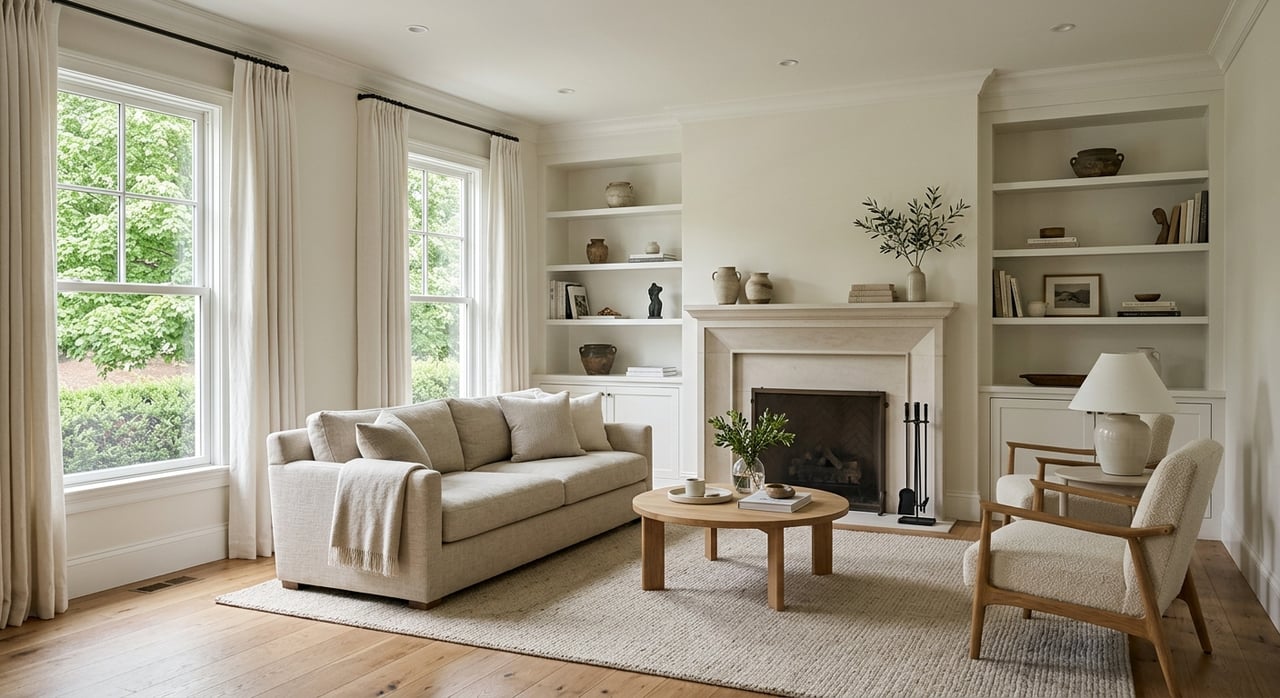
Your living room should show clear traffic flow and comfortable scale. Pull oversized furniture away if the room feels crowded, and remove extra side tables, baskets, or décor that break up the sightline.
Aim for a layout that makes the room feel easy to walk through and easy to use. In a Dent home, that often means creating a simple conversation area rather than filling every wall or corner.
The primary bedroom should feel restful and uncluttered. Make the bed the clear focal point, limit furniture to what fits comfortably, and clear off dressers and nightstands.
Soft, neutral bedding and tidy surfaces can go a long way here. Buyers do not need to see every piece of furniture you own. They need to see space, light, and function.
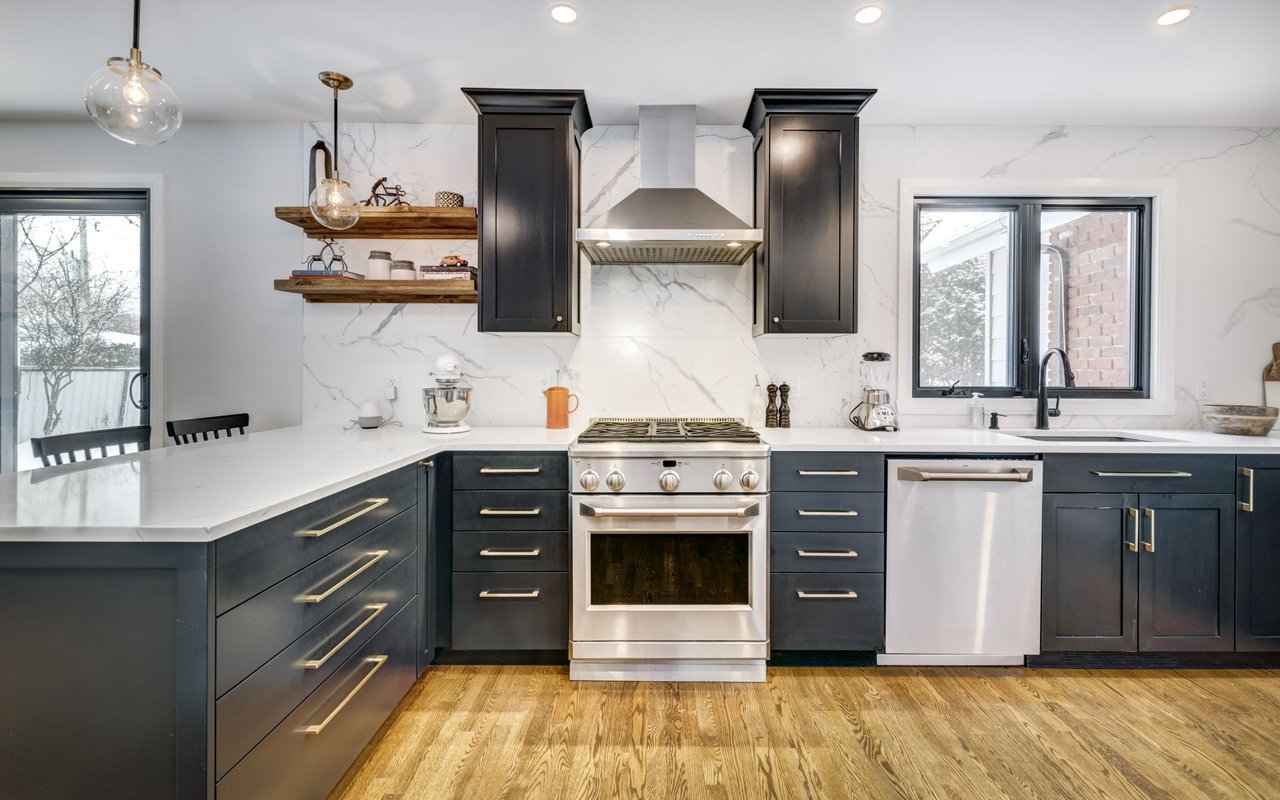
A clean kitchen reads as a well-maintained kitchen. Clear the countertops as much as possible, store away small appliances, and leave only a few purposeful items out.
Wipe down cabinet fronts, backsplash surfaces, and hardware before photos and showings. If your kitchen is part of an open layout, make sure it feels visually connected to the adjacent living or dining space.
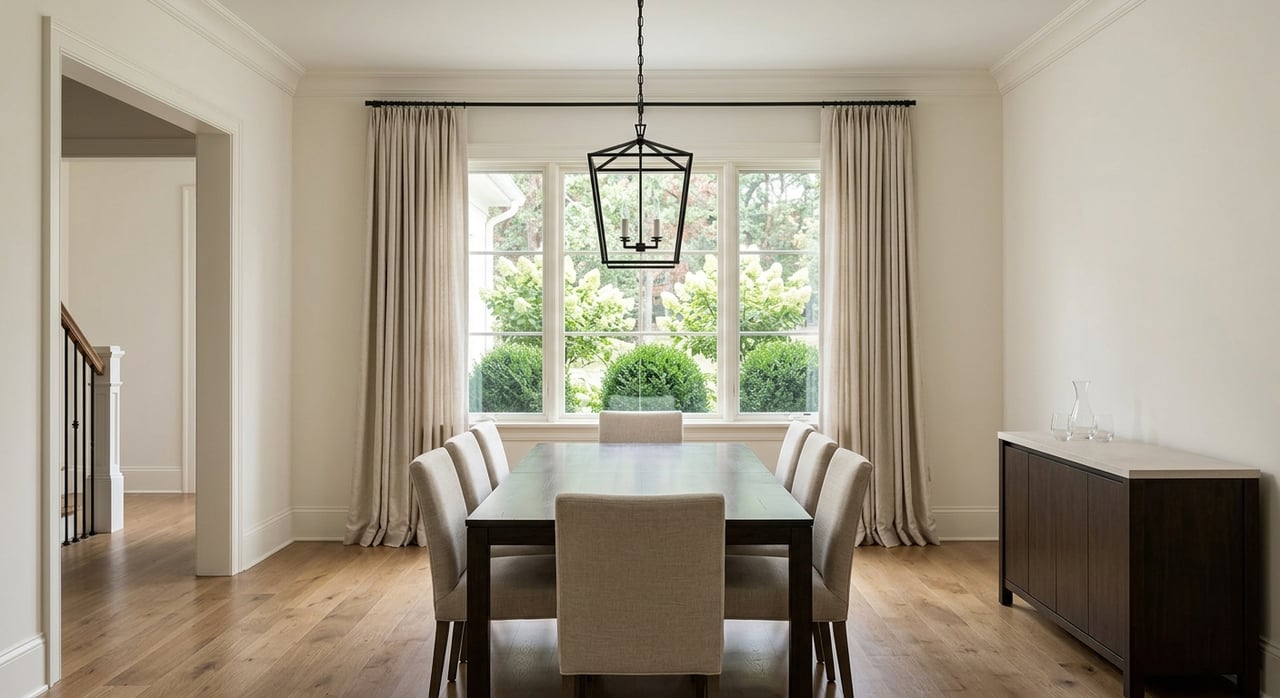
Even if you do not use your dining room every day, buyers still want to understand the space. A table with enough room to move around it, a simple centerpiece, and clean lines can help the room feel intentional.
If the dining area is small, avoid heavy chairs or oversized pieces. The goal is to show that the room works well, not to prove how much furniture it can hold.
One of the easiest ways to lose buyer interest is to leave a room feeling confusing or unfinished. If your home has a den, office, bonus room, or finished lower level, stage it so the use is obvious at a glance.
This is especially important in a market like Dent, where households may include a wide range of life stages and needs. A flexible room can appeal to more buyers when it is presented clearly and simply.
Try to give each room one clear job. That can help buyers picture how the layout fits their own day-to-day life.
A few effective options include:
Avoid combining too many uses in one room. A space that looks like part office, part gym, and part storage usually feels smaller and less useful.
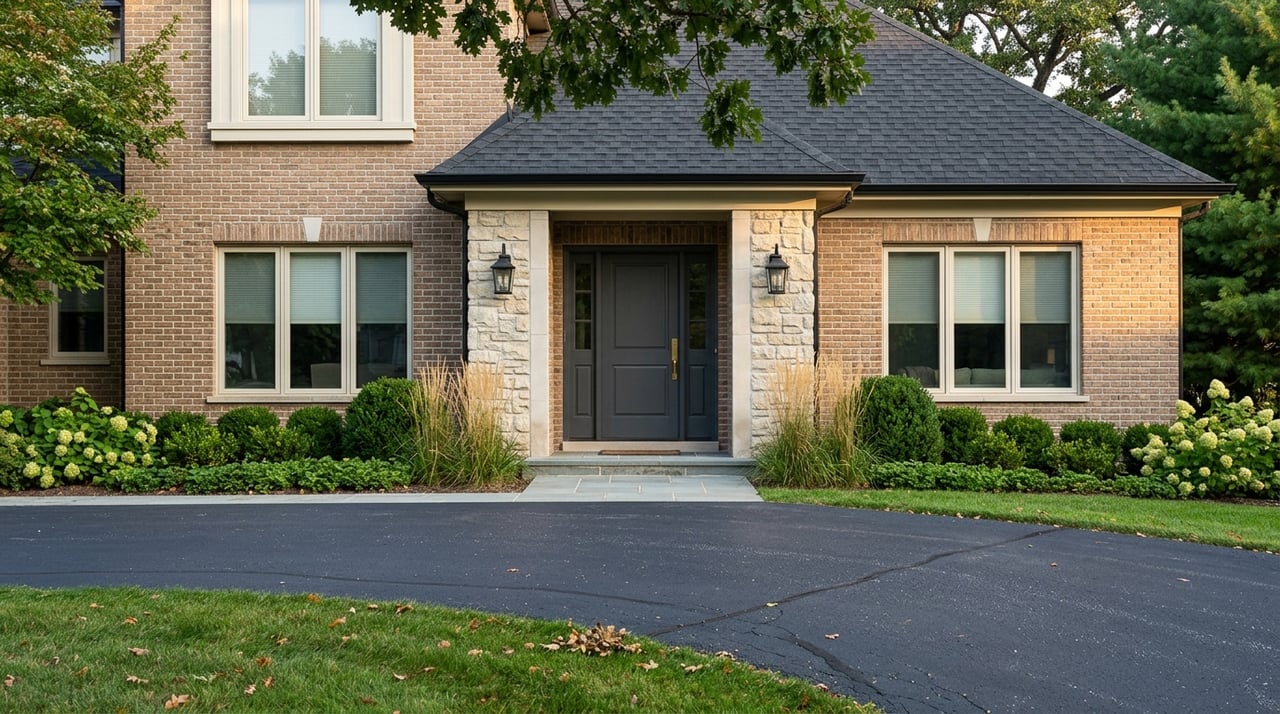
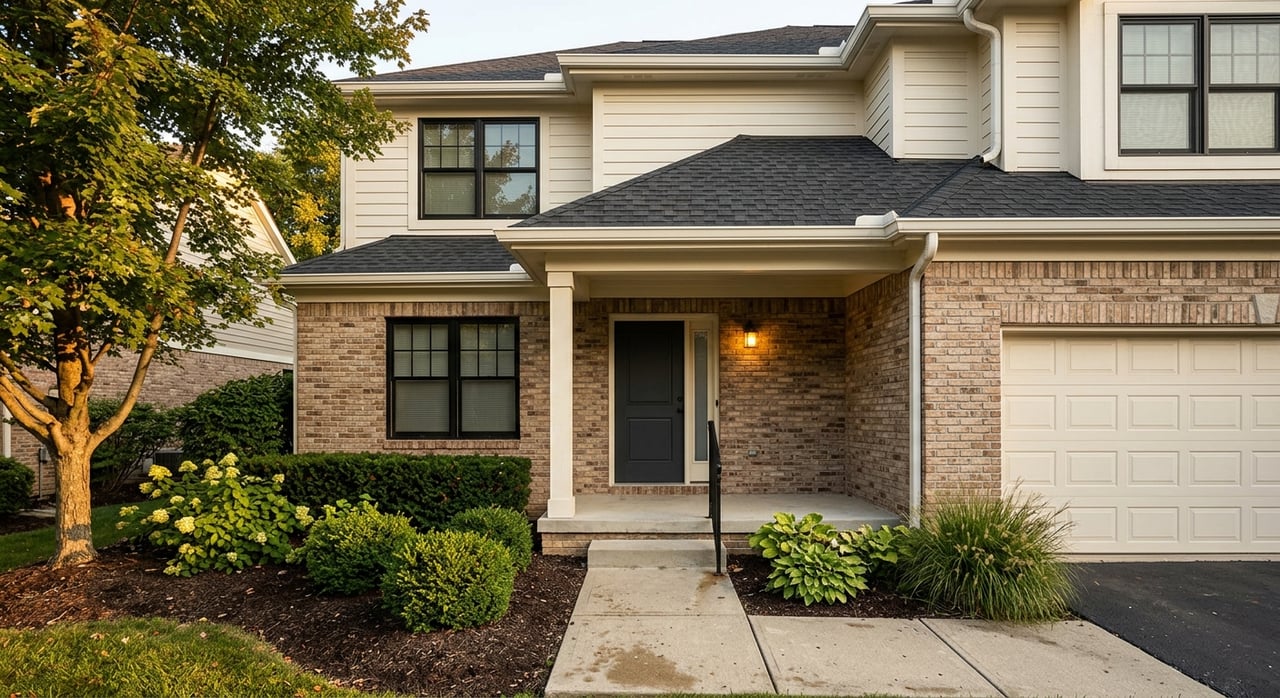
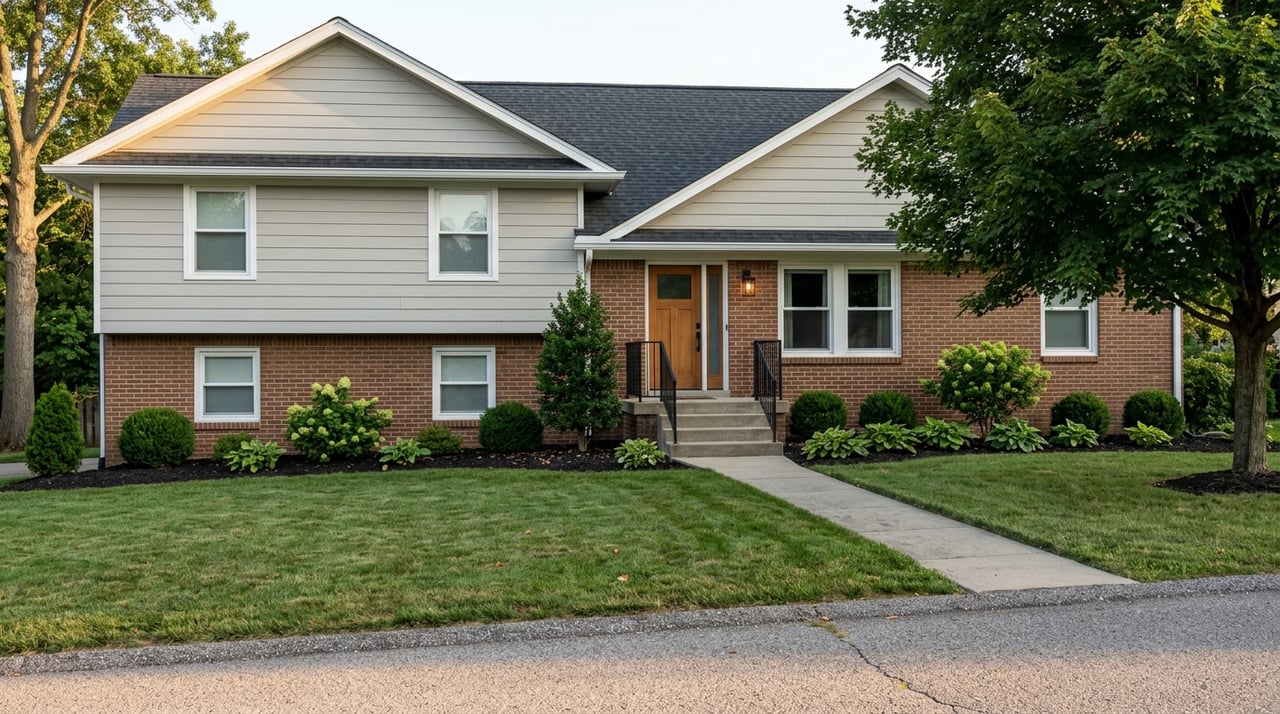
First impressions start outside. Green Township notes the importance of clean, safe, and attractive neighborhoods, and that makes your front approach especially important when your home hits the market.
Buyers will notice the lawn, front walk, steps, driveway edge, porch, front door, and lighting before they ever see your interior. If those areas feel neglected, it can affect how they view the rest of the home.
Dent’s local history and topography make yard slope, drainage, and front-yard contour worth checking before photos and showings. Even small issues like washed-out mulch, messy bed edges, or standing water can pull attention away from an otherwise attractive exterior.
Before listing, take time to:
These details help your home look maintained and photo-ready.
Cincinnati weather can shape how your home shows. January normals include an average high of 39.6 degrees, an average low of 23.2 degrees, 3.30 inches of precipitation, and 7.7 inches of snow. In May, average temperatures rise to 74.5 and 53.8 degrees, with 4.67 inches of precipitation.
That means seasonal prep should be part of your staging plan, not an afterthought. The same home can feel very different depending on whether a buyer arrives on a wet spring day or a snowy winter afternoon.
For winter listings, focus on safety and a clean entry experience.
For spring listings, curb appeal usually does more of the heavy lifting.
Online presentation matters just as much as in-person presentation. NAR reports that nearly all buyers use technology in their search, and a 2025 NAR article said 81% of buyers rated listing photos as the most useful feature.
In other words, your photos are often the first showing. If your home does not read well on camera, some buyers may never make it to the front door.
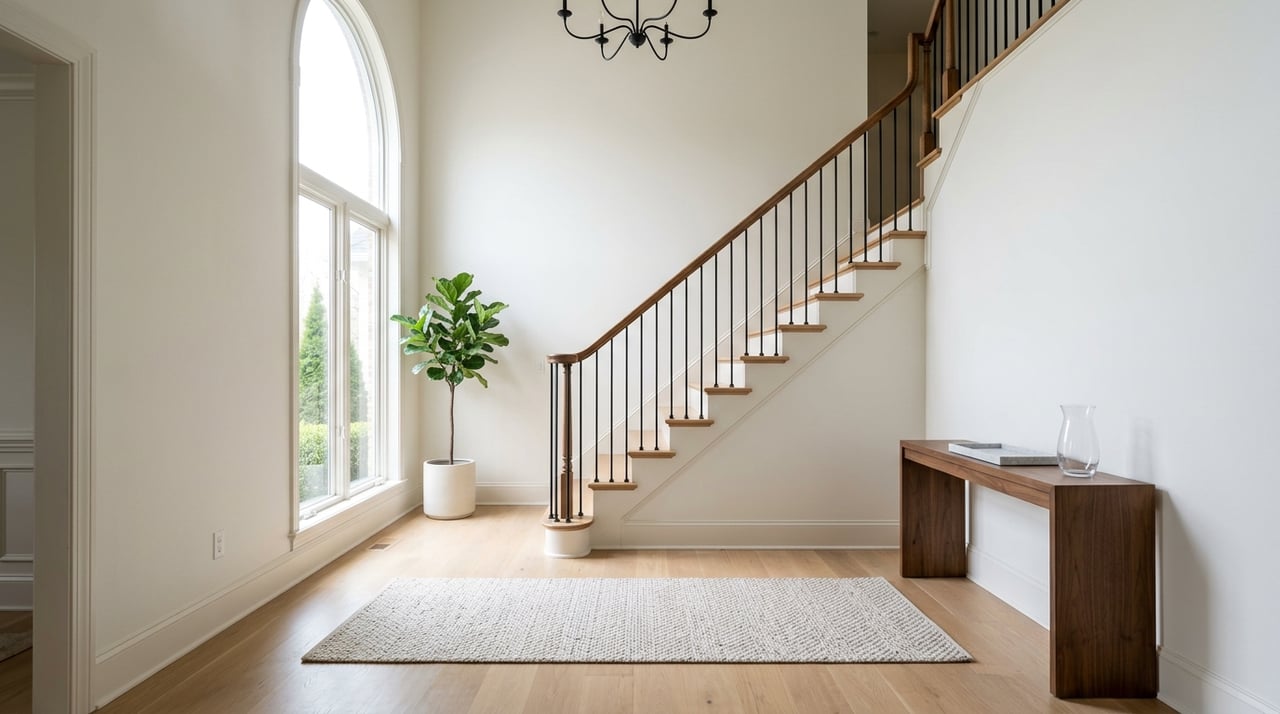
Before professional photos, make sure your home is set up to look bright, simple, and spacious.
This is where thoughtful staging really pays off. A room that feels fine in everyday life may still look busy or cramped in listing photos.
You do not need to stage every room at a high cost to see results. According to the 2025 Profile of Home Staging, the median spend was $1,500 when using a staging service, compared with $500 when the seller’s agent personally staged the home.
That makes partial staging a practical option for many sellers in Dent. If your budget is limited, focus on the most visible rooms first and build from there.
Virtual staging can also help when a room is vacant, awkward, or too specialized. It can be especially useful for flex rooms or lower-level spaces that need a clearer purpose in listing photos.
The best staging usually does not feel dramatic. It feels calm, clean, and easy to understand. In a stable market like Dent, that kind of presentation can help your home compete more effectively and make a stronger impression from the first photo to the final walkthrough.
If you are preparing to sell, a thoughtful plan can help you focus on the updates that matter most. With the right guidance, you can highlight your home’s layout, improve its presentation, and make the process feel much more manageable.
When you are ready for a design-conscious, local approach to selling in Dent, connect with Michele Donovan for expert guidance on staging, presentation, and marketing.

Whether you’re buying your first home, upgrading to fit a growing family, or downsizing for a new chapter, we’re here to guide you with the care and expertise you deserve.
MICHELE DONOVAN GROUP
6730 Ruwes Oak Dr Cincinnati, OH 45248